

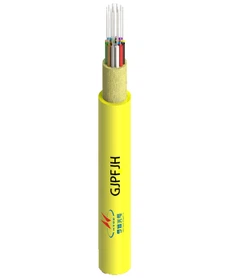


In the rapidly evolving landscape of modern communication and electrical power systems, the quest for efficient, reliable, and cost - effective solutions is ceaseless. One such innovation that has gained significant traction is the photoelectric composite cable. As a seasoned supplier of photoelectric composite cables, I've witnessed firsthand the growing interest in this technology and the questions that often arise, particularly regarding its long - term cost - effectiveness.
Understanding Photoelectric Composite Cables
Photoelectric composite cables combine optical fibers for data transmission and electrical conductors for power supply within a single cable structure. This integration eliminates the need for separate cables for power and data, streamlining installation processes and reducing the overall footprint of the cabling infrastructure.
The optical fiber component of these cables offers high - speed data transmission with low latency and immunity to electromagnetic interference. This makes it ideal for applications such as telecommunications, data centers, and smart grid systems where reliable and fast data transfer is crucial. On the other hand, the electrical conductors can carry power to remote devices, sensors, or equipment, providing a convenient and efficient power supply solution.


Initial Investment vs. Long - Term Savings
When considering the cost - effectiveness of photoelectric composite cables, it's essential to evaluate both the initial investment and the long - term savings. At first glance, photoelectric composite cables may seem more expensive than traditional separate power and data cables. The manufacturing process of these cables is more complex, as it requires precise integration of optical fibers and electrical conductors while ensuring their protection from environmental factors.
However, the initial cost difference is often offset by the significant savings in installation and maintenance over the long term. During installation, the use of a single photoelectric composite cable reduces labor costs, as there is no need to install and manage multiple cables. This not only speeds up the installation process but also minimizes the potential for installation errors, which can lead to costly downtime and repairs.
In terms of maintenance, having a single cable simplifies the monitoring and troubleshooting process. Instead of having to inspect and maintain two separate cable systems, technicians can focus on a single cable, reducing the time and resources required for maintenance. Additionally, the integrated design of photoelectric composite cables reduces the risk of damage caused by external factors such as rodents or construction activities, as there are fewer exposed cables.
Case Studies: Real - World Cost - Effectiveness
To illustrate the long - term cost - effectiveness of photoelectric composite cables, let's look at a few real - world case studies.
In a large - scale data center project, a company initially considered using separate power and data cables. However, after a detailed cost analysis, they decided to opt for photoelectric composite cables. The installation of the composite cables was completed 30% faster than the estimated time for separate cables, resulting in significant labor cost savings. Over the first year of operation, the maintenance costs were also reduced by 25% due to the simplified monitoring and troubleshooting process.
Another example is a smart grid application in a rural area. The use of photoelectric composite cables eliminated the need for expensive trenching and installation of separate power and communication lines. The integrated cables provided both power and data connectivity to remote sensors and substations, enabling real - time monitoring and control of the grid. This not only improved the efficiency of the grid but also reduced the overall cost of the project by 20% compared to the traditional approach.
Technological Advancements and Cost Reduction
The cost of photoelectric composite cables is also being driven down by continuous technological advancements. As the manufacturing processes become more efficient and the demand for these cables increases, economies of scale are being achieved. New materials and manufacturing techniques are being developed to improve the performance and reduce the cost of photoelectric composite cables.
For example, the development of Aluminum Tape Fiber Optic Cable has provided a more cost - effective alternative to traditional copper - based electrical conductors. Aluminum is lighter and less expensive than copper, and when used in combination with optical fibers, it can significantly reduce the cost of the cable without sacrificing performance.
Similarly, the Composite Hybrid Fiber Optic Cable offers enhanced flexibility and durability, making it suitable for a wider range of applications. These technological advancements are making photoelectric composite cables an even more attractive option for long - term use.
Environmental Considerations
In addition to cost - effectiveness, photoelectric composite cables also offer environmental benefits. By reducing the number of cables required for a given application, they minimize the use of raw materials and energy during the manufacturing process. This not only reduces the environmental impact but also contributes to a more sustainable future.
Furthermore, the energy - efficient nature of optical fiber data transmission reduces the overall power consumption of the system. This is particularly important in large - scale data centers and telecommunications networks, where energy costs can be a significant portion of the operating expenses.
Conclusion
In conclusion, photoelectric composite cables are highly cost - effective in long - term use. While the initial investment may be higher than traditional separate power and data cables, the savings in installation, maintenance, and operational costs over the life of the cable far outweigh the initial cost difference. Technological advancements are also making these cables more affordable and accessible, further enhancing their cost - effectiveness.
If you are considering a project that requires both power and data transmission, I encourage you to explore the benefits of photoelectric composite cables. Our company has extensive experience in providing high - quality photoelectric composite cables for a wide range of applications. We can work with you to understand your specific requirements and provide customized solutions that meet your needs and budget. Contact us today to start a conversation about how photoelectric composite cables can benefit your project.
References
- "Optical Fiber Communication Systems" by Gerd Keiser
- "Electrical Power Systems: Design and Analysis" by Turan Gonen
- Industry reports on photoelectric composite cables from leading market research firms.