

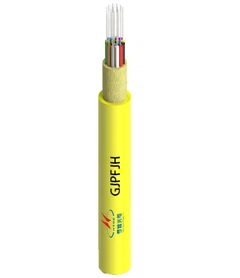


In the realm of modern communication and power transmission, photoelectric composite cables play a pivotal role. These cables integrate both optical fibers for data transmission and electrical conductors for power supply, offering a comprehensive solution for various applications such as smart buildings, industrial automation, and outdoor surveillance systems. However, one of the most critical challenges in the use of photoelectric composite cables is ensuring their waterproofness. As a seasoned photoelectric composite cable supplier, I am well - versed in the techniques and strategies to make these cables waterproof, and I'm excited to share this knowledge with you.
Understanding the Importance of Waterproofing
Water can have a detrimental impact on photoelectric composite cables. For optical fibers, even a small amount of water can cause signal attenuation due to the absorption of light by water molecules. This can lead to a significant reduction in data transmission quality, resulting in slow or interrupted communication. In the case of electrical conductors, water can cause corrosion, which increases resistance and may lead to power loss or even short - circuits. Moreover, water ingress can also damage the insulation materials, compromising the safety and reliability of the cable.
Design Considerations for Waterproofing
Cable Structure
A well - designed cable structure is the first line of defense against water ingress. The cable should have a compact and layered structure. At the core, the optical fibers and electrical conductors are usually surrounded by a buffer layer. This buffer layer can be made of materials such as aramid yarn or foam plastic, which not only provides mechanical protection but also helps to prevent water from directly contacting the core components.
The next layer is the wrapping layer. A common choice for the wrapping layer is Aluminum Tape Fiber Optic Cable. Aluminum tape has excellent moisture - barrier properties. It forms a continuous shield around the core, preventing water vapor from diffusing into the cable. Additionally, the aluminum tape can also provide some degree of electromagnetic shielding, which is beneficial for reducing interference in the cable.
Jacket Material
The outer jacket of the cable is the most visible and direct protection against water. High - quality jacket materials are essential for waterproofing. Polyvinyl chloride (PVC) is a commonly used material for cable jackets. It is relatively inexpensive and has good mechanical properties and chemical resistance. However, for more demanding waterproof applications, thermoplastic elastomers (TPE) or polyurethane (PU) are preferred. These materials have better water - resistance, flexibility, and abrasion resistance. They can form a tight seal around the cable, preventing water from seeping in through cracks or gaps.
Manufacturing Processes for Waterproofing
Filling and Blocking
During the manufacturing process, filling and blocking techniques are used to prevent water from migrating along the cable. One common method is to use a water - blocking gel or powder. The gel is injected into the spaces between the optical fibers and electrical conductors, filling all the voids. This gel has a high viscosity and can effectively block the path of water. Similarly, water - blocking powder can be used. When it comes into contact with water, the powder swells and forms a gel - like substance, which also blocks the water flow.
Extrusion Process
The extrusion process is crucial for applying the jacket material onto the cable core. A well - controlled extrusion process ensures a uniform and seamless jacket. The temperature, pressure, and speed of the extrusion need to be carefully adjusted to ensure that the jacket adheres tightly to the underlying layers. Any air bubbles or gaps in the jacket can compromise its waterproofing performance.


Installation and Maintenance for Waterproofing
Proper Installation Techniques
During installation, proper techniques must be followed to maintain the cable's waterproof integrity. Cable joints are particularly vulnerable to water ingress. Special waterproof connectors should be used for both the optical fibers and electrical conductors. These connectors are designed to provide a tight seal, preventing water from entering the joint area. Additionally, the cables should be installed in a way that minimizes bending and stress. Excessive bending can cause the jacket to crack or the internal layers to separate, creating pathways for water.
Regular Maintenance
Regular maintenance is essential to ensure the long - term waterproof performance of photoelectric composite cables. Inspections should be carried out periodically to check for signs of damage or water ingress. If any damage is found, immediate repairs should be made. For outdoor installations, the cables should be protected from harsh environmental conditions such as heavy rain, snow, and UV radiation. Protective sleeves or conduits can be used to shield the cables.
Testing and Quality Assurance
Waterproof Testing
Before the cables are delivered to customers, comprehensive waterproof testing is carried out. One common test is the water immersion test. The cable is submerged in water for a certain period, and then the electrical and optical performance is measured. Other tests include the water penetration test, which measures the ability of water to penetrate the cable under pressure.
Quality Control
Quality control is an ongoing process throughout the manufacturing, installation, and maintenance of photoelectric composite cables. Strict quality standards should be followed at every stage. From the selection of raw materials to the final inspection, every step should be carefully monitored to ensure that the cables meet the required waterproofing specifications.
Conclusion
Making photoelectric composite cables waterproof is a multi - faceted process that involves design, manufacturing, installation, and maintenance. As a Composite Hybrid Fiber Optic Cable supplier, we are committed to providing high - quality, waterproof cables that meet the diverse needs of our customers. If you are in need of reliable photoelectric composite cables or have any questions about waterproofing, please feel free to contact us for further discussion and procurement negotiation.
References
- Grobe, D. (2018). Fiber Optic Cable Installation & Splicing. Cengage Learning.
- Neher, J. H., & McGrath, M. H. (1957). The thermal resistance of cable systems. AIEE Transactions, 76(3), 752 - 764.