

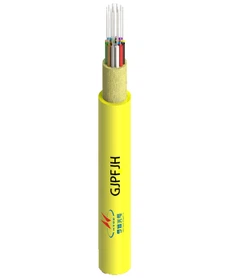


Installing aerial fibre optic cable in a school area can be a game - changer for the educational institution. It boosts the school's connectivity, enabling better access to online resources, seamless video conferencing, and high - speed data transfer for students and staff. As an aerial fibre optic cable supplier, I've got some hands - on knowledge to share on how to pull off this installation smoothly.


Planning the Installation
First things first, you need to plan the whole project. This step is crucial as it sets the foundation for a successful installation.
- Site Survey: Before you start any digging or stringing cables, conduct a thorough site survey of the school area. Look at the existing infrastructure, like buildings, poles, and trees. Note down any potential obstacles that could get in the way of cable installation. For example, if there are large trees with overhanging branches, you'll need to figure out how to work around them to avoid future damage to the cables.
- Route Mapping: Once you've surveyed the site, map out the best route for the aerial fibre optic cable. Try to keep the route as straight as possible to minimize signal loss. You'll also want to consider the distance between the starting point (usually the main network hub) and the end - points in different parts of the school. A well - planned route will not only make the installation easier but also reduce the amount of cable you'll need.
- Regulatory Approvals: Don't forget about the red tape! You'll need to obtain the necessary permits from the local authorities before starting the installation. They'll want to make sure that the installation meets all the safety and environmental regulations. This might involve getting approval from the school board, local utility companies, and even the city planning department.
Choosing the Right Cable
As a supplier, I know that picking the right aerial fibre optic cable is super important. There are different types of cables available, each with its own features and benefits.
- Multi Tube Single Jacket ADSS Cable: This type of cable is great for areas with relatively low mechanical stress. It has multiple tubes inside a single jacket, which helps protect the individual fibres. If the school area doesn't have a lot of heavy winds or other external forces that could damage the cable, Multi Tube Single Jacket ADSS Cable could be a good choice.
- Multi Tube Double Jacket ADSS Cable: For areas where the cable might be exposed to more harsh conditions, like high - wind areas or places with a lot of wildlife that could chew on the cables, Multi Tube Double Jacket ADSS Cable is a better option. The double jacket provides an extra layer of protection.
- Uni - tube Steel Tape Armored Aerial Cable: If the cable needs to be more robust and resistant to physical damage, Uni - tube Steel Tape Armored Aerial Cable is the way to go. The steel tape armor adds an extra level of strength, making it suitable for areas where the cable might be at risk of being cut or crushed.
Installation Process
Now that you've planned the project and chosen the right cable, it's time to start the installation.
- Pole Installation: If there aren't already suitable poles in place, you'll need to install them. The poles should be spaced at regular intervals, usually between 30 to 50 meters apart, depending on the cable type and the terrain. Make sure the poles are firmly anchored in the ground to prevent them from tipping over.
- Cable Stringing: Once the poles are up, it's time to string the cable. Start by attaching the cable to the first pole using appropriate hardware, like cable clamps. Then, carefully pull the cable along the planned route, attaching it to each pole as you go. You might need to use a cable pulling machine to make the process easier, especially for longer distances.
- Splicing and Termination: After the cable is strung, you'll need to splice the different sections of the cable together and terminate the ends. Splicing involves joining two fibre optic cables together, and it's a delicate process that requires special tools and skills. Termination, on the other hand, is where you connect the cable to the network equipment, like routers and switches.
Testing and Maintenance
The installation isn't complete until you've tested the cable and set up a maintenance plan.
- Testing: Once the cable is installed and terminated, test it to make sure it's working properly. You can use a fibre optic tester to check the signal strength, attenuation, and other important parameters. If there are any issues, you'll need to troubleshoot and fix them before the school starts using the network.
- Maintenance: Regular maintenance is essential to keep the aerial fibre optic cable in good condition. This might involve inspecting the poles and cables for damage, trimming any overhanging branches, and checking the connectors for corrosion. You should also have a plan in place for dealing with any emergencies, like a cable break due to a storm.
Why Choose Our Cables
As an aerial fibre optic cable supplier, I can tell you that our cables are top - notch. We use high - quality materials and state - of - the - art manufacturing processes to ensure that our cables are reliable and long - lasting. Our team of experts can also provide you with technical support and advice throughout the installation process. Whether you're a small school or a large educational institution, we've got the right cable solution for you.
Contact Us for Purchase and Consultation
If you're interested in installing aerial fibre optic cable in your school area, we'd love to hear from you. We can help you with every step of the process, from planning to installation and maintenance. Just reach out to us, and our sales team will be happy to discuss your needs and provide you with a quote. Let's work together to bring high - speed connectivity to your school!
References
- "Fibre Optic Cable Installation Handbook", by some well - known industry experts
- Local regulations and guidelines for aerial cable installation in school areas