





Installing aerial fibre optic cable in a marshy area presents a unique set of challenges that require careful planning and specialized techniques. As an experienced aerial fibre optic cable supplier, I have witnessed firsthand the complexities involved in such installations. In this blog post, I will share some insights and best practices on how to successfully install aerial fibre optic cable in a marshy area.
Understanding the Challenges of Marshy Areas
Marshy areas are characterized by soft, water - saturated soil, which can pose significant challenges to the installation of aerial fibre optic cables. The soft ground makes it difficult to anchor poles securely, increasing the risk of pole instability and cable damage. Additionally, the high water table and constant presence of moisture can lead to corrosion of cable components and electrical equipment.

The marshy environment is also home to various types of wildlife, which may interfere with the cable installation. For example, birds might build nests on the poles or cables, and small mammals could chew on the cable sheaths.
Selecting the Right Cable
The choice of cable is crucial when installing in a marshy area. Two types of cables that are well - suited for such environments are the Figure 8 Fiber Optic Cable and the Uni - tube Steel Tape Armored Aerial Cable.
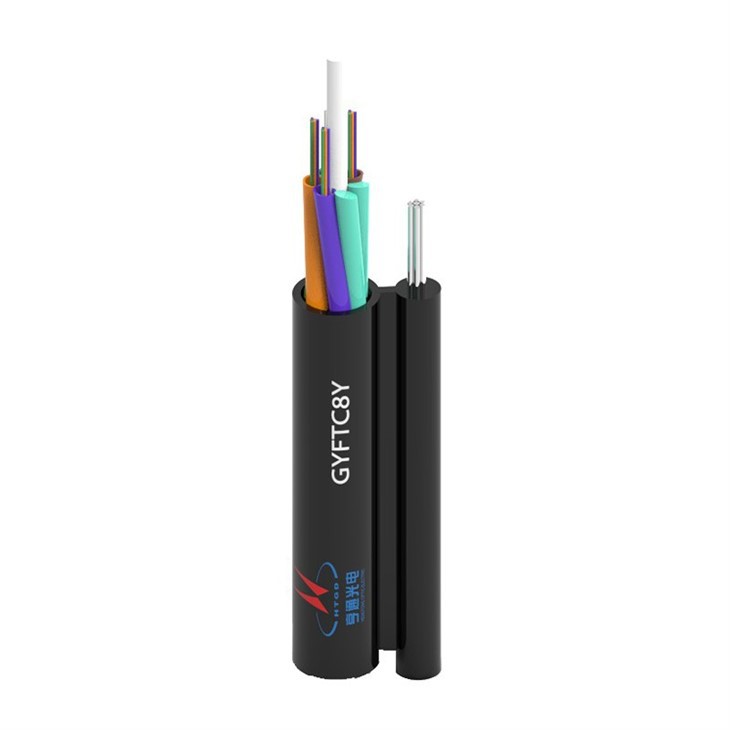
The Figure 8 Fiber Optic Cable is designed with a unique figure - 8 shape, which provides excellent mechanical protection and ease of installation. The non - metallic strength member in this cable makes it resistant to corrosion, a key advantage in a marshy environment.
The Uni - tube Steel Tape Armored Aerial Cable, on the other hand, features a steel tape armor that provides additional protection against physical damage and rodent bites. The uni - tube design also helps in maintaining the integrity of the optical fibers in the presence of moisture.
Another option is the Uni - tube Figure 8 Aerial Cable, which combines the benefits of the figure - 8 shape and the uni - tube design. This cable is lightweight and easy to handle, making it a popular choice for marshy area installations.
Planning the Route
Before starting the installation, a detailed route plan should be developed. This involves conducting a thorough survey of the marshy area to identify potential obstacles such as trees, water bodies, and existing infrastructure. The route should be planned to avoid areas with excessive water flow or high - risk wildlife habitats.
It is also important to consider the terrain and elevation changes. Poles should be placed at appropriate intervals to ensure proper tension on the cable and to prevent sagging. In a marshy area, the distance between poles may need to be adjusted to account for the soft ground conditions.
Pole Installation
Pole installation is one of the most critical aspects of aerial cable installation in a marshy area. Special techniques are required to ensure that the poles are securely anchored. One common method is to use helical piles, which are screwed into the ground. Helical piles provide excellent stability in soft soil and can be installed relatively quickly.
Another option is to use concrete footings. However, this method may be more time - consuming and expensive, as it requires the transportation of concrete to the site and the use of heavy equipment for pouring and setting.
Once the poles are installed, they should be inspected for垂直度 (verticality) and stability. Any signs of movement or instability should be addressed immediately to prevent future problems.
Cable Installation
When installing the cable, it is important to use proper techniques to avoid damage. The cable should be pulled slowly and steadily to prevent excessive tension. A cable pulling machine can be used to ensure a smooth and consistent pull.
During the installation, the cable should be protected from sharp edges and abrasive surfaces. Protective sleeves or guards can be used at points where the cable comes into contact with poles or other structures.
It is also important to maintain proper slack in the cable to allow for expansion and contraction due to temperature changes. In a marshy area, the cable may be more susceptible to movement due to the soft ground, so additional slack should be provided.
Protecting the Cable
To protect the cable from the marshy environment, it is important to use appropriate cable accessories. Cable joints should be sealed properly to prevent moisture ingress. Heat - shrink sleeves or epoxy - filled joints can be used to provide a watertight seal.
Cable sheaths should also be inspected regularly for signs of damage. Any cuts or abrasions should be repaired immediately to prevent water from entering the cable and damaging the optical fibers.
In addition, wildlife protection measures should be implemented. For example, bird guards can be installed on the poles to prevent birds from building nests on the cables. Rodent - resistant coatings can also be applied to the cable sheaths to deter small mammals.
Testing and Commissioning
After the cable installation is complete, thorough testing should be conducted to ensure the proper functioning of the cable. Optical time - domain reflectometer (OTDR) testing can be used to measure the loss of the cable and to detect any faults or breaks.
Electrical testing should also be performed on any associated electrical equipment, such as power supplies and amplifiers. Once all the tests are successful, the cable can be commissioned and put into service.
Maintenance
Regular maintenance is essential to ensure the long - term performance of the aerial fibre optic cable in a marshy area. This includes inspecting the poles for signs of corrosion or damage, checking the cable tension, and monitoring the cable for any changes in performance.
Any issues identified during the maintenance inspections should be addressed promptly to prevent further damage and to ensure the reliability of the network.
Conclusion
Installing aerial fibre optic cable in a marshy area is a challenging but achievable task. By selecting the right cable, planning the route carefully, using proper installation techniques, and implementing effective protection and maintenance measures, it is possible to install a reliable and long - lasting cable network.
If you are considering an aerial fibre optic cable installation in a marshy area, I encourage you to reach out to us for more information. We have a wide range of high - quality cables and experienced professionals who can assist you in every step of the installation process. Whether you need advice on cable selection, route planning, or installation techniques, we are here to help. Contact us today to start the conversation about your project.
References
- “Fiber Optic Cable Installation Guidelines,” Telecommunications Industry Association.
- “Best Practices for Aerial Cable Installation in Challenging Environments,” International Cable and Connectivity Association.
- “Marshy Area Engineering and Construction Handbook,” Environmental Engineering Institute.