



In the modern digital age, fiber optic cable assemblies play a pivotal role in high - speed data transmission, networking, and telecommunications. As a leading supplier of fiber optic cable assemblies, I understand the critical importance of signal quality. Poor signal quality can lead to data loss, slow transmission speeds, and even complete network failures. In this blog, I'll share some practical tips on how to improve the signal quality of fiber optic cable assemblies.
1. Select High - Quality Fiber Optic Cables
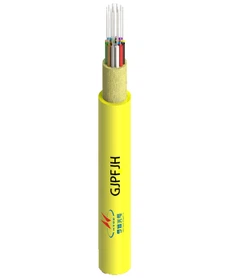
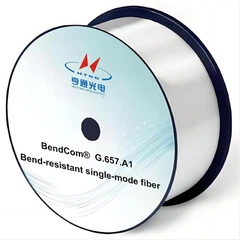
The foundation of good signal quality starts with the choice of fiber optic cables. There are different types of fiber optic cables, such as single - mode and multi - mode fibers. Single - mode fibers are designed for long - distance transmission and offer higher bandwidth, making them suitable for applications like telecommunications backbone networks. Multi - mode fibers, on the other hand, are more suitable for short - distance applications within buildings or data centers.
When selecting cables, pay attention to the cable's attenuation rate. Attenuation is the loss of signal strength as it travels through the fiber. Lower attenuation means less signal loss, resulting in better signal quality. Reputable manufacturers often provide detailed specifications about attenuation rates. For example, our company offers a wide range of high - quality fiber optic cables with low attenuation rates, ensuring reliable signal transmission.
2. Proper Cable Installation
Proper installation is crucial for maintaining signal quality. Here are some key points to consider during installation:
a. Avoid Sharp Bends
Fiber optic cables are sensitive to sharp bends. A sharp bend can cause light to leak out of the fiber core, leading to signal loss. The minimum bend radius for most fiber optic cables is specified by the manufacturer. For single - mode fibers, the typical minimum bend radius is around 10 - 15 times the cable diameter, while for multi - mode fibers, it can be slightly larger. During installation, use cable management tools such as cable trays and conduits to ensure that the cables are routed smoothly without any sharp bends.
b. Keep Cables Away from Interference Sources
Fiber optic cables are immune to electromagnetic interference (EMI) and radio - frequency interference (RFI). However, they can be affected by physical stress and mechanical vibrations. Avoid installing fiber optic cables near sources of physical stress, such as heavy machinery or areas prone to vibration. Additionally, keep them away from power cables to prevent any potential coupling of electrical noise.
c. Use Correct Connectors
The connectors used in fiber optic cable assemblies are critical for signal quality. There are various types of connectors, such as LC, SC, and FC. Each connector has its own characteristics and applications. For example, the [LC To LC Duplex Cable Assembly](/fiber - optic - patch - cord/fiber - optic - cable - assemblies/lc - to - lc - duplex - cable - assembly.html) is widely used in high - density applications due to its small size and high performance. The [SC to SC Duplex Fiber Optic Jumper Cable](/fiber - optic - patch - cord/fiber - optic - cable - assemblies/sc - to - sc - duplex - cable - assembly.html) is known for its easy installation and reliable connection. The [Multi - Fiber FC To FC Cable Assembly](/fiber - optic - patch - cord/fiber - optic - cable - assemblies/multi - fiber - fc - to - fc - cable - assembly.html) is suitable for multi - fiber applications.


Make sure that the connectors are properly installed and aligned. Misaligned connectors can cause significant signal loss. Use precision alignment tools during the installation process to ensure accurate alignment.
3. Regular Maintenance and Inspection
Regular maintenance and inspection are essential for ensuring long - term signal quality. Here are some maintenance tasks that should be performed:
a. Clean Connectors
Over time, dust, dirt, and other contaminants can accumulate on the connectors, causing signal loss. Clean the connectors regularly using specialized cleaning tools, such as lint - free wipes and cleaning solutions. When cleaning, follow the manufacturer's instructions to avoid damaging the connectors.
b. Check for Cable Damage
Inspect the fiber optic cables for any signs of damage, such as cuts, abrasions, or kinks. Even minor damage can lead to signal loss. If any damage is detected, replace the damaged section of the cable immediately.
c. Test Signal Quality
Use optical time - domain reflectometers (OTDRs) and light sources and power meters to test the signal quality of the fiber optic cable assemblies. These tools can measure parameters such as attenuation, reflectance, and signal strength. Regular testing can help detect any potential problems early and allow for timely repairs.
4. Environmental Considerations
The environment in which the fiber optic cable assemblies are installed can also affect signal quality. Here are some environmental factors to consider:
a. Temperature and Humidity
Extreme temperatures and high humidity can cause the fiber optic cables to expand or contract, leading to changes in the fiber's physical properties and signal loss. Ensure that the cables are installed in an environment with stable temperature and humidity levels. If necessary, use environmental control systems such as air conditioners and dehumidifiers.
b. Chemical Exposure
Avoid exposing the fiber optic cables to chemicals such as solvents, acids, and alkalis. These chemicals can damage the cable jacket and the fiber core, leading to signal degradation. If the cables are installed in an area where chemical exposure is possible, use protective coatings or enclosures.
5. Upgrade and Optimize the Network
As technology advances, it may be necessary to upgrade and optimize the fiber optic network to improve signal quality. Here are some ways to do this:
a. Upgrade to Higher - Grade Cables
If the existing fiber optic cables are reaching their capacity or are no longer able to meet the increasing demand for data transmission, consider upgrading to higher - grade cables. For example, upgrading from multi - mode to single - mode fibers can significantly increase the bandwidth and transmission distance.
b. Implement Network Management Systems
Network management systems can help monitor and optimize the performance of the fiber optic network. These systems can detect and diagnose problems in real - time, allowing for quick troubleshooting and maintenance. They can also provide valuable insights into network usage patterns, helping to plan for future upgrades.
In conclusion, improving the signal quality of fiber optic cable assemblies requires a comprehensive approach that includes selecting high - quality cables, proper installation, regular maintenance, environmental control, and network optimization. As a trusted supplier of fiber optic cable assemblies, we are committed to providing our customers with the best products and solutions to ensure optimal signal quality. If you are interested in purchasing fiber optic cable assemblies or need further advice on improving signal quality, please feel free to contact us for procurement and negotiation.
References
- "Fiber Optic Communication Technology" by John M. Senior
- "Optical Fiber Telecommunications VI" edited by Ivan P. Kaminow, Tingye Li, and Alan E. Willner
- Manufacturer's specifications and technical documents for fiber optic cables and connectors.