

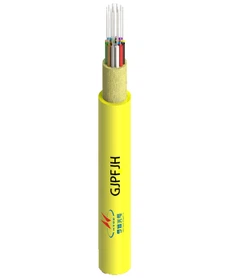


Hey there! I'm a supplier of ribbon fibre optic cables, and today I want to chat about how the weight of these cables can affect installation.
First off, let's talk about why cable weight matters in the first place. When you're installing a ribbon fibre optic cable, you've got to consider a bunch of factors, and weight is right up there on the list. It can impact everything from the ease of handling to the long - term performance of the cable system.
Handling During Installation
One of the most immediate effects of cable weight is on the handling process. If you've got a heavy ribbon fibre optic cable, it's just plain harder to move around. You know, those big spools of cable can be a real pain to lift and position. For instance, if you're installing cables in a building, a heavy cable might require more manpower to get it up to the right floors or into the tight spaces where it needs to go.
Let's say you're working on a multi - story office building installation. You've got to get the cable from the ground floor storage area to the upper floors. A lighter cable, like our Uni - tube Single Jacket Ribbon Cable, is much easier to carry up the stairs or through the elevators. Workers can handle it more comfortably, which means less fatigue and fewer chances of accidents.
On the other hand, a heavier cable, such as the Multi Tube Double Jacket Double Armored Ribbon Cable, offers more protection but comes with the drawback of being a beast to move. You might need to use special equipment like cable pullers or hoists, which adds to the installation cost and time.
Tension and Sag
Another important aspect is the tension and sag of the cable during installation. The weight of the cable affects how much it sags between support points. If a cable is too heavy, it will sag more, and this can cause problems.
For outdoor installations, like running cables along poles or across long distances, excessive sag can make the cable more vulnerable to environmental factors. It can get in the way of other utilities, or in bad weather, it might be more likely to be damaged by wind, ice, or snow.
Let's take an example of a rural broadband project. You're stringing cable between telephone poles. A heavy cable will sag more, and you'll need to adjust the tension more carefully. If the tension is too high, it can put stress on the cable and potentially damage the fibres inside. If it's too low, the sag can be a problem. Our Ribbon Slotted Core cable offers a good balance in many cases. It's not too heavy, so it doesn't sag excessively, but it still provides good protection for the fibres.
Support Requirements
The weight of the cable also determines the type and frequency of support required during installation. Heavier cables need stronger and more frequent support structures.
In a data center installation, for example, you're running cables through racks and trays. A heavy cable will need more robust rack support systems. You might have to use thicker and stronger metal racks or add more support brackets to prevent the cable from sagging or causing damage to the rack structure.
This means more materials and more labor for installing the support structures. It can also limit the flexibility of the installation. If you need to make changes or additions to the cable system later on, it might be more difficult with a heavy - cable setup that requires elaborate support.
Installation Time
Weight has a direct impact on installation time. As I mentioned earlier, handling heavy cables is more difficult, and this naturally slows down the installation process.


When you're laying cable in a large industrial complex, a heavy cable will take longer to unroll, position, and connect. Workers have to be more careful, and they might need to take more breaks due to the physical strain.
On the contrary, a lighter cable can be installed much faster. You can get the job done in less time, which is great for meeting project deadlines and reducing labor costs.
Cost Considerations
All these factors related to weight add up to cost. Heavy cables might be more expensive upfront due to the additional materials used for protection and construction. Then, there are the increased installation costs from the need for special handling equipment, more support structures, and longer installation times.
If you're on a tight budget for a project, you've got to think carefully about the weight of the cable you choose. Sometimes, a lighter cable might be a better option, even if it offers slightly less protection. You can always add other forms of protection later on if needed.
Long - Term Performance
The weight of the cable can also affect its long - term performance. A cable that is too heavy and has been installed under too much tension might experience internal stress on the fibres. This can lead to signal loss over time, which is a big no - no in the world of fibre optic communication.
In a harsh environment, a heavy cable that sags too much might be more prone to physical damage. For example, in an area with high winds, a sagging cable can be whipped around, causing the outer jacket to wear and potentially exposing the fibres.
So, when you're choosing a ribbon fibre optic cable, you've got to find the right balance between weight, protection, and performance.
Conclusion
As you can see, the weight of a ribbon fibre optic cable has a significant impact on installation. It affects handling, tension, support requirements, installation time, cost, and long - term performance.
At our company, we understand these challenges, and we offer a range of ribbon fibre optic cables to meet different needs. Whether you need a lightweight cable for easy installation or a heavy - duty cable for maximum protection, we've got you covered.
If you're planning a fibre optic cable installation project, I encourage you to reach out to us. We can help you choose the right cable based on your specific requirements and budget. Let's have a chat and see how we can make your project a success.
References
- Industry standards on fibre optic cable installation
- Case studies of various ribbon fibre optic cable installations
- Manufacturer's specifications for different types of ribbon fibre optic cables