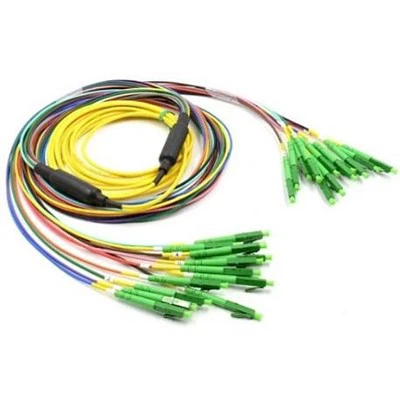
FC To FC Duplex Fiber Optic Jumper

FC to FC duplex fiber optic jumpers have high-quality components and precise manufacturing processes contribute to low insertion loss, ensuring minimal signal attenuation during data transmission. Manufactured and tested to meet ICE, ISO, and ROHS industry standards, HTGD is available in OM1, OM2, OM3, OM4, OM5, OS1 and OS2 fiber types, with FC connectors, and in a variety of cable diameters and materials. FC connectors are threaded and need to be screwed to ensure a strong connection. It is typically used in single-mode fiber optic systems, especially in applications requiring high mechanical stability. FC to FC duplex fiber optic cables are widely used in data centers, enterprises, FTTx, LAN and WAN, CATV networks, telecommunication network applications, and other areas where rapid infrastructure deployment is required, such as main wiring zones, horizontal wiring zones, and regional wiring zones.
Application:
Fiber optic wiring device interconnection
Datacom, telecom, measurement equipment, single mode lasers
Communication room, fiber optic connection transmission equipment
Local Area Network(LAN), Wide Area Network (WAN), FTTX application
Features:
FC fiber connector
Bidirectional communication
Product length can be customized
Cable jacket material are optional
Factory terminated and tested for insertion loss, return loss and end face
High precision core provides stability, repeatability and interchangeability
Optical characteristics comply with IEC TIA/EIA and other relevant standards
RoHS 2.0 Compliant
Specifications:
|
Parameter |
Unit |
Value |
|||
|
Cable Diameter(optional) |
mm |
0.90,1.6,2.0,3.0 |
|||
|
Cable Jacket Material(optional) |
- |
PA,PVC,PU,LSZH |
|||
|
Fiber Mode |
- |
SM:G652,G657 |
MM:OM1,OM2,OM3,OM4,OM5 |
||
|
Wavelength |
nm |
1310/1550 |
850/1300 |
||
|
Endface Polishing |
- |
UPC |
APC |
UPC |
|
|
Insertion Loss(IL) |
dB |
≤0.30 |
≤0.25 |
||
|
Return Loss(RL) |
dB |
≥50 |
≥60 |
≥20 |
|
|
Endface Geometric Parameters (3D) |
Radius of Curvature |
mm |
Satisfying IEC TIA/EIA standards |
||
|
Apex Offset |
μm |
||||
|
Fiber Spherical Height |
nm |
||||
|
Angular Error |
° |
||||
|
Durability |
time |
1000 |
|||
|
Operating Temperature |
℃ |
-20 ~ +80 |
|||
|
Storage Temperature |
℃ |
-15 ~ +60 |
|||
Packaging
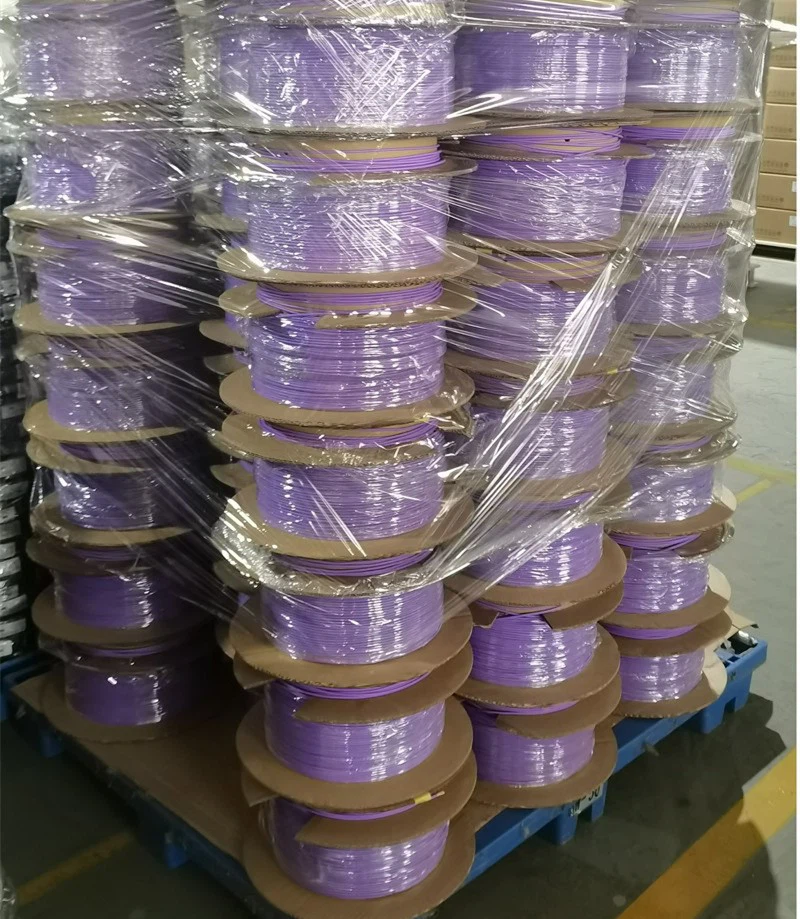
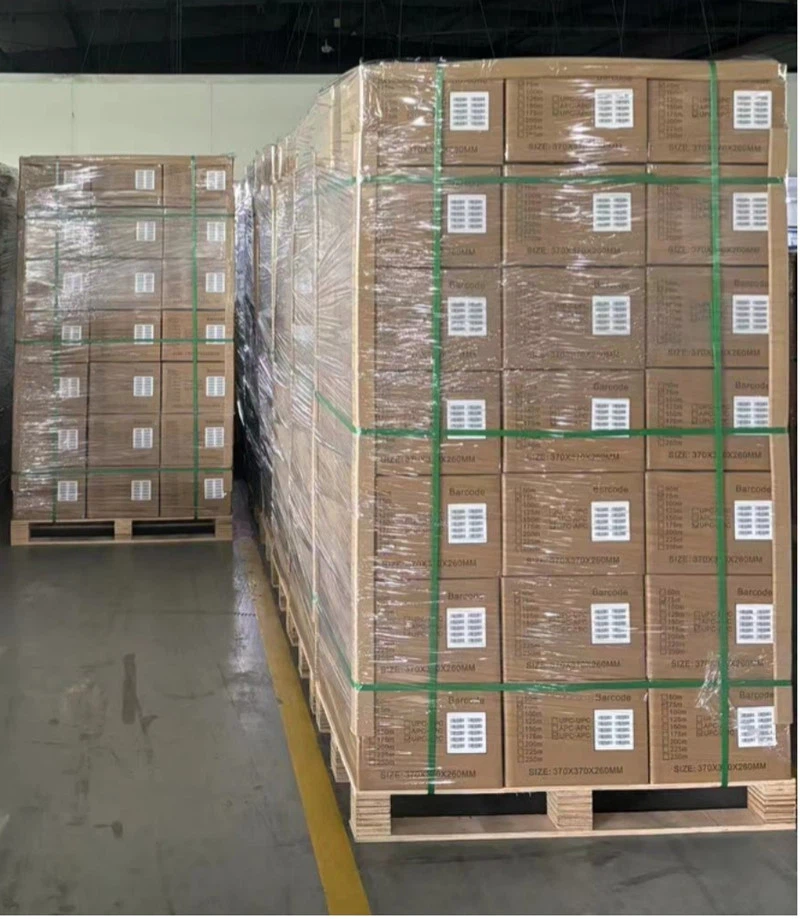
After all tests are completed, the fiber optic jumpers will be packaged according to the customer's requirements. Usually, we will use PE bag to pack the jumper cables of the small meter section, and then put them into a small carton; to ensure the safety, we will use paper spool to pack the large meter section, and finally both of them will be packed in carton again.

FAQ
Q1: Which is better LC or SC connector?
Q2: How do I identify a fiber connector?
Q3:Why does fiber have 2 cables?
To learn more about our cutting-edge Duplex Fiber Optic Jumper Cable and how they can elevate your network performance, we invite you to reach out to our team of experts. Our dedicated professionals are ready to assist you in finding the perfect solution for your specific needs. Contact us today at jenny@htgd.com.cn or call +8615711010061 to discuss how Hengtong Group can help you harness the power of fiber optic technology for your business. Let's build a faster, more reliable, and future-proof network together.
Hot Tags: fc to fc duplex fiber optic jumper, China fc to fc duplex fiber optic jumper manufacturers, suppliers, fiber optic patch cord, fiber optic cable, optical fiber patch cord