



Yo, what's up everyone! As a supplier of FTTH drop cables, I've been getting a lot of questions about electromagnetic compatibility (EMC) lately. So, I thought I'd break it down and share some insights on what EMC means for FTTH drop cables.
First off, let's talk about what electromagnetic compatibility is. In simple terms, EMC is all about how well different electrical and electronic devices can operate in the same electromagnetic environment without causing interference to each other. It's like making sure all the players on a sports team can work together smoothly without getting in each other's way.
Now, when it comes to FTTH drop cables, EMC is super important. These cables are used to connect homes and businesses to the fiber optic network, and they often run in the same spaces as other electrical and electronic equipment. If the FTTH drop cable isn't electromagnetically compatible, it can cause interference with other devices, like TVs, radios, and even Wi-Fi routers. And that's definitely not a good thing!
So, how do we ensure that our FTTH drop cables have good electromagnetic compatibility? Well, there are a few key factors that we take into account during the manufacturing process.
Cable Design
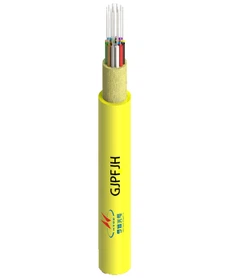
The design of the FTTH drop cable plays a crucial role in its EMC performance. We use special materials and construction techniques to minimize electromagnetic interference. For example, our Self-supporting Butterfly Lead-in Fiber Optical Cable is designed with a protective sheath that helps to shield the fiber optic core from external electromagnetic fields. This sheath is made of materials that have good electromagnetic shielding properties, which helps to reduce the risk of interference.
Shielding Materials
In addition to the cable design, the choice of shielding materials is also important. We use high-quality shielding materials that are specifically designed to block electromagnetic interference. These materials are carefully selected based on their conductivity, permeability, and other properties to ensure maximum shielding effectiveness. For instance, our Duct Drop Butterfly Cable uses a special metallic shielding layer that provides excellent protection against electromagnetic interference.
Testing and Certification
Once the cables are manufactured, we subject them to rigorous testing to ensure that they meet the highest standards of electromagnetic compatibility. We use advanced testing equipment to measure the cable's electromagnetic emissions and susceptibility to interference. Only cables that pass these tests are certified for use in the field. Our Drop FTTH Fiber Optic Cable has been tested and certified to meet international EMC standards, which gives our customers peace of mind knowing that they're getting a high-quality product.
Benefits of Good EMC in FTTH Drop Cables
Having good electromagnetic compatibility in FTTH drop cables offers several benefits. Firstly, it ensures reliable and stable communication. By reducing electromagnetic interference, the cable can transmit data more accurately and without errors, which is essential for high-speed internet, video streaming, and other applications.
Secondly, it helps to protect other electronic devices in the vicinity. When the FTTH drop cable is electromagnetically compatible, it won't cause interference to other devices, which means that your TVs, radios, and Wi-Fi routers can operate smoothly without any disruptions.
Finally, it can save you money in the long run. By preventing electromagnetic interference, you can avoid costly repairs and replacements of electronic devices that may be damaged by interference.
Conclusion
In conclusion, electromagnetic compatibility is a critical aspect of FTTH drop cables. As a supplier, we take great care to ensure that our cables are designed and manufactured to have excellent EMC performance. By using the right materials, construction techniques, and testing procedures, we can provide our customers with high-quality cables that are reliable, stable, and electromagnetically compatible.


If you're in the market for FTTH drop cables and want to learn more about our products and how they can meet your EMC requirements, don't hesitate to reach out. We're always happy to have a chat and discuss your specific needs. Whether you're a small business or a large telecommunications company, we have the right solution for you.
So, if you're looking for top-notch FTTH drop cables with great electromagnetic compatibility, give us a shout. Let's work together to ensure that your fiber optic network runs smoothly and efficiently.
References
- International Electrotechnical Commission (IEC) standards on electromagnetic compatibility.
- Telecommunications Industry Association (TIA) standards for fiber optic cables.