





Hey there! As a fiber optic jumper supplier, I often get asked about the difference between simplex and duplex fiber optic jumpers. So, I thought I'd take a few minutes to break it down for you.
What Are Fiber Optic Jumpers?
First things first, let's quickly cover what fiber optic jumpers are. These are short cables that are used to connect different fiber optic equipment, like switches, routers, and servers. They play a crucial role in ensuring that data can flow smoothly between these devices.
Simplex Fiber Optic Jumpers
Simplex fiber optic jumpers have a single fiber core. This means they can only transmit data in one direction at a time. It's like a one - way street for data.
One of the main advantages of simplex jumpers is their simplicity. They're relatively easy to install and maintain. They're also cost - effective, which makes them a great choice for applications where you only need to send data in one direction. For example, in some monitoring systems, you might only need to send data from a sensor to a monitoring station. Simplex jumpers work perfectly for this kind of one - way data transfer.
However, the big drawback is the lack of bidirectional communication. If you need to send and receive data simultaneously, a simplex jumper won't cut it.
Duplex Fiber Optic Jumpers
Duplex fiber optic jumpers, on the other hand, have two fiber cores. This allows for simultaneous two - way communication. It's like a two - way street for data, where cars can go in both directions at the same time.
There are two types of duplex jumpers: physical and logical. Physical duplex jumpers have two separate fibers, each dedicated to either sending or receiving data. Logical duplex jumpers use a single fiber but use different wavelengths to send and receive data.

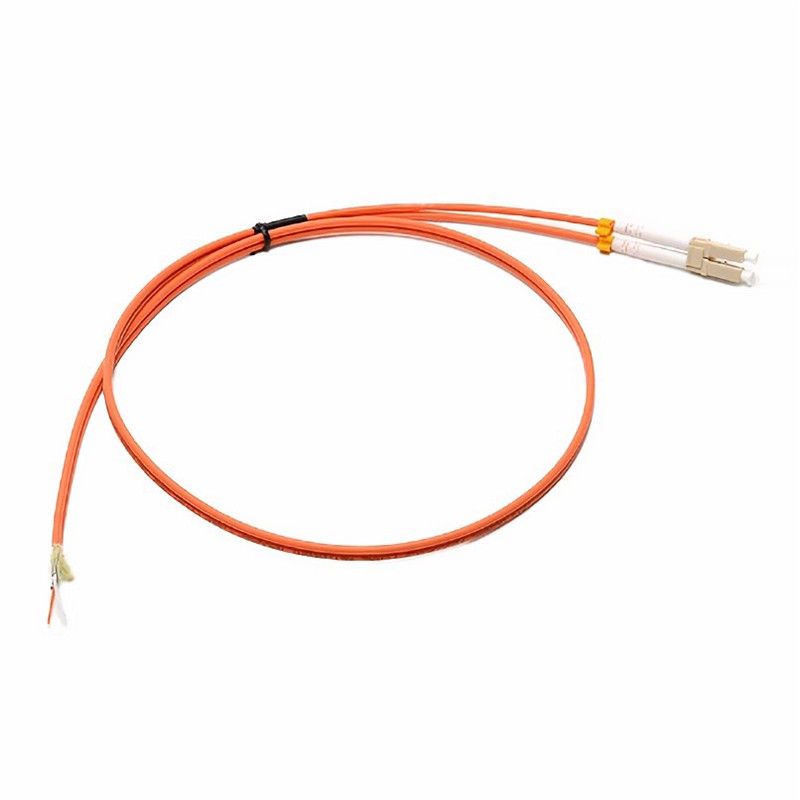
The main advantage of duplex jumpers is their ability to support bidirectional communication. This is essential in most modern networking applications. For example, in a local area network (LAN), devices need to send and receive data all the time. Duplex jumpers ensure that this communication can happen smoothly and efficiently.
But, duplex jumpers are generally more expensive than simplex jumpers. They're also a bit more complex to install and maintain because there are more components involved.
Applications
Let's take a look at some specific applications for simplex and duplex jumpers.
Simplex Jumper Applications
- Security Camera Systems: In a security camera setup, the cameras send video data to a central recording device. Since the data only needs to flow in one direction (from the camera to the recorder), simplex jumpers are a great choice.
- Sensor Networks: As mentioned earlier, sensor networks often only require one - way data transfer. Sensors send data about temperature, pressure, or other environmental factors to a control center.
Duplex Jumper Applications
- Data Centers: Data centers are all about bidirectional communication. Servers need to send and receive data from clients, storage devices, and other servers. Duplex jumpers are used extensively in data centers to ensure high - speed, efficient communication.
- Enterprise Networks: In a corporate network, employees' devices need to communicate with servers, printers, and other devices. Duplex jumpers enable this two - way communication, allowing for seamless collaboration and productivity.
Product Examples
If you're in the market for duplex fiber optic jumpers, we've got some great options. Check out our LC Duplex Pigtail. It's a high - quality product that's perfect for many duplex applications. We also have the 12LC To 12LC Fiber Optic Jumper, which is great for high - density networking. And for those who prefer the SC connector, our SC To SC Fiber Optic Jumper is a reliable choice.
Which One Should You Choose?
So, how do you decide between simplex and duplex fiber optic jumpers? Well, it all comes down to your specific needs.
If you only need one - way data transfer and cost is a major concern, simplex jumpers are the way to go. They're simple, affordable, and get the job done for one - way applications.
But if you need simultaneous two - way communication, especially in a high - performance networking environment, duplex jumpers are essential. They may cost a bit more, but the benefits of bidirectional communication are well worth it.
Making the Right Purchase
When you're ready to make a purchase, it's important to consider a few things. First, make sure you choose the right connector type. There are different types of connectors like LC, SC, and ST, and you need to pick the one that's compatible with your equipment.
Second, pay attention to the fiber type. There are single - mode and multi - mode fibers, and each has its own characteristics and applications. Single - mode fibers are great for long - distance communication, while multi - mode fibers are better for short - distance, high - speed communication.
Conclusion
In conclusion, understanding the difference between simplex and duplex fiber optic jumpers is crucial for anyone involved in fiber optic networking. Simplex jumpers are great for one - way data transfer, while duplex jumpers are essential for bidirectional communication.
If you're looking for high - quality fiber optic jumpers, we're here to help. Whether you need simplex or duplex jumpers, we've got a wide range of products to meet your needs. We're a reliable fiber optic jumper supplier, and we're committed to providing you with the best products and service. If you have any questions or need help choosing the right jumpers for your application, don't hesitate to reach out. We're always happy to assist you in making the right decision for your networking needs.
References
- "Fiber Optic Communication Systems" by Govind P. Agrawal
- "Optical Fiber Technology: Principles and Applications" by R. Ramaswami, K. N. Sivarajan, and G. Sasaki