

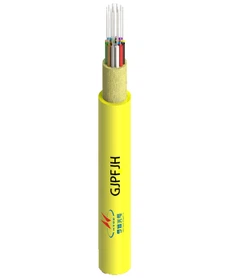


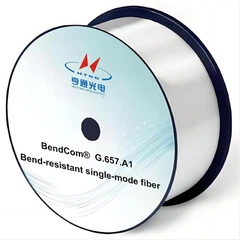
Hey there! As a supplier of FTTH drop cable patch cords, I often get asked about the differences between FTTH drop cable patch cords and regular patch cords. So, I thought I'd write this blog to break it all down for you in a super easy - to - understand way.
Let's start with the basics. What exactly are these patch cords? A patch cord is a cable used to connect two devices in a network. It's like a little bridge that helps data flow from one place to another. Regular patch cords have been around for ages and are used in a wide range of networking setups, from small home networks to large corporate offices.
On the other hand, FTTH drop cable patch cords are specifically designed for Fiber - to - the - Home (FTTH) networks. These networks are becoming more and more popular as they offer super - fast internet speeds and reliable connections. FTTH drop cable patch cords are the final link that connects the optical network terminal (ONT) in your home to the fiber optic cable coming from the service provider.
Physical Differences
One of the most obvious differences between FTTH drop cable patch cords and regular patch cords is their physical construction. Regular patch cords usually come in standard lengths and are designed to be used in a variety of environments. They often have a more rigid outer jacket to protect the internal fiber strands.
FTTH drop cable patch cords, however, are designed to be more flexible. They need to be able to bend and twist as they are installed in homes, often in tight spaces. The outer jacket of an FTTH drop cable patch cord is usually made of a softer material, which makes it easier to handle during installation.
Another physical difference is the type of connectors used. Regular patch cords can have a variety of connectors, such as SC, LC, or ST. These connectors are designed for general - purpose use and are used in many different types of networks.


FTTH drop cable patch cords, on the other hand, commonly use SC or LC connectors. The FTTH Patch Cord SC pigtail and FTTH Patch Cord LC pigtail are very popular in FTTH networks. These connectors are smaller and more precise, which is important for the high - speed data transmission required in FTTH networks.
Environmental Resistance
When it comes to environmental resistance, there are also some differences between the two types of patch cords. Regular patch cords are designed to work in a relatively stable environment, such as an office building or a data center. They may not be able to withstand extreme temperatures, humidity, or physical damage as well as FTTH drop cable patch cords.
FTTH drop cable patch cords are built to be more rugged. They need to be able to withstand the elements as they are often installed outdoors or in basements. They are usually more resistant to water, dust, and UV rays. This means that they can maintain their performance even in harsh conditions, which is crucial for the long - term reliability of an FTTH network.
Installation and Maintenance
Installation of regular patch cords is usually straightforward. They are often used in pre - wired network racks, where the cables are neatly organized. All you need to do is plug the patch cord into the appropriate ports on the devices.
Installing FTTH drop cable patch cords can be a bit more challenging. Since they are used in homes, the installation process needs to be more user - friendly. The installer may need to run the cable through walls, ceilings, or under floors. That's why the flexibility of the FTTH drop cable patch cord is so important.
In terms of maintenance, regular patch cords may need to be replaced more frequently if they are used in a high - traffic network. The connectors can wear out over time, and the cable may get damaged due to frequent插拔.
FTTH drop cable patch cords, once installed correctly, usually require less maintenance. However, if there is a problem, it can be more difficult to diagnose and fix because they are often hidden within the structure of a home.
Performance and Bandwidth
When it comes to performance, both types of patch cords are designed to transmit data. But FTTH drop cable patch cords are optimized for high - speed data transmission. They are capable of supporting the high bandwidth requirements of modern FTTH networks, which can offer speeds of up to 1 Gbps or even higher.
Regular patch cords can also support high - speed data, but they may not be as optimized for the specific requirements of an FTTH network. For example, they may have higher signal loss over longer distances, which can affect the overall performance of the network.
The FTTH Fiber Drop Cable FC to FC is a great example of an FTTH drop cable patch cord that offers excellent performance. It uses high - quality fiber optic materials and precise connectors to ensure low signal loss and high - speed data transmission.
Cost
Cost is always an important factor when choosing between different types of patch cords. Regular patch cords are generally more affordable because they are mass - produced for general - purpose use. They are available in a wide range of prices, depending on the length, quality, and type of connectors.
FTTH drop cable patch cords are usually more expensive. This is because they are designed for a specific application and need to meet higher quality standards. The cost of an FTTH drop cable patch cord also includes the cost of installation, which can be higher due to the complexity of the installation process.
Conclusion
So, there you have it! The main differences between FTTH drop cable patch cords and regular patch cords. Whether you're setting up a home FTTH network or a corporate network, it's important to choose the right patch cord for your needs.
If you're in the market for high - quality FTTH drop cable patch cords, I'd love to talk to you. We have a wide range of products, including the FTTH Fiber Drop Cable FC to FC, FTTH Patch Cord SC pigtail, and FTTH Patch Cord LC pigtail. Our products are designed to meet the highest standards of quality and performance. If you have any questions or are interested in a purchase, don't hesitate to reach out. We're here to help you make the right choice for your network.
References
- Fiber Optics: Principles and Practices, by Prem Jain
- Network Cabling Installation Manual, various industry standards documents