



When it comes to the cost of ribbon fibre optic cables per meter, numerous factors come into play, each contributing to the final price tag. As a supplier of ribbon fibre optic cables, I've witnessed firsthand how these elements interact to influence the cost, and I'm excited to share some insights with you.
Understanding Ribbon Fibre Optic Cables
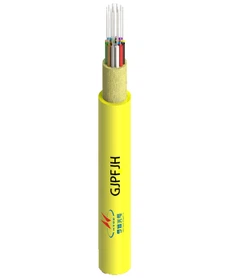
Before delving into the cost, let's briefly understand what ribbon fibre optic cables are. These cables are designed to hold multiple optical fibres in a flat, ribbon - like structure. This design allows for high - density fibre packing, making them ideal for applications where a large number of fibres need to be installed in a limited space, such as data centers, telecommunications networks, and large - scale enterprise networks.
There are different types of ribbon fibre optic cables, including Ribbon Slotted Core, Multi Tube Single Jacket Ribbon Cable, and Uni - tube Single Jacket Ribbon Cable. Each type has its own unique features and is suited for different installation requirements and environments.
Factors Affecting the Cost per Meter
Fibre Count
One of the most significant factors influencing the cost of a ribbon fibre optic cable per meter is the number of fibres it contains. Cables with a higher fibre count generally cost more per meter. This is because more fibres mean more raw materials, more complex manufacturing processes, and increased testing requirements. For example, a ribbon cable with 12 fibres will typically be less expensive than one with 288 fibres. The production of high - fibre - count cables demands more precise alignment and handling of the fibres during the manufacturing process, which adds to the overall cost.
Fibre Quality
The quality of the optical fibres used in the cable also plays a crucial role in determining the price. High - quality fibres offer better performance in terms of lower attenuation (signal loss), higher bandwidth, and greater reliability. These fibres are made using advanced manufacturing techniques and higher - grade materials, which naturally come at a higher cost. For instance, single - mode fibres, which are designed for long - distance, high - speed data transmission, are generally more expensive than multi - mode fibres, which are suitable for shorter distances.
Cable Design and Construction
The design and construction of the cable can significantly impact its cost. As mentioned earlier, different types of ribbon fibre optic cables, such as slotted core, multi - tube, and uni - tube designs, have different manufacturing processes and material requirements. Slotted core cables, for example, require a more complex manufacturing process to create the slots that hold the fibre ribbons, which can increase the cost. Additionally, the type of jacket material used also affects the price. Cables with more durable and environmentally resistant jackets, such as those designed for outdoor or harsh - environment installations, will be more expensive than those with standard jackets.
Market Conditions
Market conditions, including supply and demand, raw material prices, and competition, also have a major influence on the cost of ribbon fibre optic cables. When the demand for these cables is high, such as during a large - scale network expansion project, prices tend to rise. Conversely, when there is an oversupply in the market, prices may drop. Fluctuations in the prices of raw materials, such as glass (used to make the optical fibres) and plastic (used for the cable jacket), can also cause the cost of the cables to vary. Moreover, competition among suppliers can drive prices down as companies try to gain market share.
Cost Range
Given the various factors mentioned above, it's difficult to provide an exact cost per meter for ribbon fibre optic cables. However, as a general guideline, the cost can range from a few cents to several dollars per meter. For low - fibre - count, multi - mode cables with standard jackets, the cost may be as low as 0.1 - 0.5 dollars per meter. On the other hand, high - fibre - count, single - mode cables with specialized jackets for outdoor use can cost upwards of 5 dollars per meter or more.
Cost - Benefit Analysis
When considering the cost of ribbon fibre optic cables, it's important to conduct a cost - benefit analysis. While high - quality, high - cost cables may seem expensive upfront, they can offer significant long - term benefits. For example, cables with lower attenuation and higher bandwidth can reduce the need for signal repeaters and upgrades in the future, saving on overall network infrastructure costs. Additionally, more reliable cables can minimize downtime, which is crucial for businesses that rely on continuous data transmission.
Contact for Procurement
If you're in the market for ribbon fibre optic cables, I encourage you to reach out for a detailed quote. As a supplier, I can provide you with customized solutions based on your specific requirements, whether it's a small - scale installation for a local business or a large - scale project for a telecommunications provider. We can discuss the different types of cables, their features, and the associated costs to help you make an informed decision.


References
- Fiber Optic Association. (2023). Fiber Optic Cables: Types and Applications.
- Telecommunications Industry Association. (2023). Standards for Fiber Optic Cable Design and Installation.