

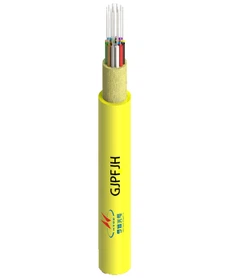


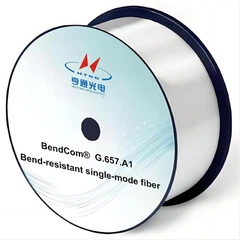
Bandwidth is a critical concept in the world of fiber optic cable assemblies, especially for those of us in the business of supplying these essential components. As a supplier of fiber optic cable assemblies, I've witnessed firsthand the importance of understanding bandwidth and its implications for our customers. In this blog post, I'll delve into what bandwidth means in the context of fiber optic cable assemblies, how it's measured, and why it matters for various applications.
Understanding Bandwidth in Fiber Optic Cable Assemblies
At its core, bandwidth refers to the range of frequencies within which a fiber optic cable assembly can operate effectively. It's a measure of the cable's ability to carry data over a given period. In simpler terms, bandwidth determines how much information can be transmitted through the cable at once. The higher the bandwidth, the more data can flow through the cable, resulting in faster and more efficient communication.
Fiber optic cables are known for their exceptional bandwidth capabilities compared to traditional copper cables. This is because light signals, which are used to transmit data in fiber optic cables, can operate at much higher frequencies than electrical signals used in copper cables. As a result, fiber optic cable assemblies can support significantly larger amounts of data transfer, making them ideal for high-speed applications such as data centers, telecommunications networks, and high-definition video streaming.
Measuring Bandwidth
Bandwidth is typically measured in hertz (Hz), which represents the number of cycles per second. In the context of fiber optic cable assemblies, bandwidth is often expressed in terms of gigahertz (GHz) or terahertz (THz), depending on the cable's capabilities. For example, a fiber optic cable assembly with a bandwidth of 10 GHz can transmit data at frequencies up to 10 billion cycles per second.
Another important metric related to bandwidth is the bandwidth-distance product. This metric takes into account both the cable's bandwidth and the distance over which the data is transmitted. It's calculated by multiplying the cable's bandwidth (in GHz) by the distance (in kilometers) over which the data can be transmitted without significant signal degradation. A higher bandwidth-distance product indicates that the cable can maintain its high data transfer rates over longer distances.
Factors Affecting Bandwidth
Several factors can affect the bandwidth of a fiber optic cable assembly. One of the most significant factors is the type of fiber used in the cable. There are two main types of fiber: single-mode fiber (SMF) and multi-mode fiber (MMF). Single-mode fiber has a smaller core diameter, which allows it to transmit light signals in a single mode or path. This results in less signal dispersion and higher bandwidth capabilities, making single-mode fiber ideal for long-distance and high-speed applications.
On the other hand, multi-mode fiber has a larger core diameter, which allows it to transmit light signals in multiple modes or paths. While multi-mode fiber is generally less expensive and easier to install than single-mode fiber, it has a lower bandwidth and is more susceptible to signal dispersion over long distances. As a result, multi-mode fiber is typically used for shorter-distance applications such as local area networks (LANs) and data centers.
Another factor that can affect bandwidth is the quality of the cable assembly itself. Poorly manufactured cable assemblies may have issues such as misaligned connectors, damaged fibers, or improper termination, which can all lead to signal loss and reduced bandwidth. That's why it's essential to choose a reputable supplier that uses high-quality materials and follows strict manufacturing standards to ensure the reliability and performance of their fiber optic cable assemblies.
Importance of Bandwidth in Different Applications
The bandwidth requirements of fiber optic cable assemblies can vary significantly depending on the application. For example, in a data center environment, high bandwidth is crucial to support the massive amounts of data transfer that occur between servers, storage systems, and network devices. A data center may require fiber optic cable assemblies with bandwidths in the range of 100 Gbps or higher to ensure fast and efficient data transmission.
In the telecommunications industry, bandwidth is also a critical factor. Telecommunication networks need to be able to handle large volumes of voice, video, and data traffic from millions of users. Fiber optic cable assemblies with high bandwidth capabilities are essential to meet these demands and provide reliable and high-speed communication services.
For high-definition video streaming and other multimedia applications, bandwidth is necessary to ensure smooth and uninterrupted playback. A high-bandwidth fiber optic cable assembly can support the high data rates required for streaming high-quality video content, such as 4K or 8K resolution.


Our Product Offerings
As a supplier of fiber optic cable assemblies, we offer a wide range of products to meet the diverse bandwidth requirements of our customers. Our product portfolio includes LC To LC Duplex Cable Assembly, which are ideal for short-distance connections in data centers and LANs. These cable assemblies are available in various lengths and bandwidth options to suit different applications.
We also provide LC to LC Multi-Fiber Optic Jumper Cable, which are designed for high-density applications where multiple fibers need to be connected. These jumper cables offer high bandwidth and reliable performance, making them suitable for use in data centers, telecommunications networks, and other high-speed environments.
In addition, our Pre-Connectorized Drop Cable is a convenient solution for connecting fiber optic networks to end-users. These cables are pre-terminated with connectors, which reduces installation time and ensures consistent performance. They are available in different configurations and bandwidth capabilities to meet the specific needs of our customers.
Conclusion
Bandwidth is a crucial aspect of fiber optic cable assemblies, determining their ability to transmit data efficiently and effectively. As a supplier, we understand the importance of providing high-quality fiber optic cable assemblies with the right bandwidth capabilities to meet the needs of our customers. Whether you're building a data center, a telecommunications network, or a multimedia system, choosing the right fiber optic cable assembly with sufficient bandwidth is essential for ensuring optimal performance.
If you're interested in learning more about our fiber optic cable assemblies or have specific bandwidth requirements for your project, we encourage you to contact us. Our team of experts is ready to assist you in selecting the right products and providing you with the support you need to ensure the success of your project.
References
- "Fiber Optics for Dummies" by John C. Dancy
- "Optical Fiber Communications: Principles and Practice" by Gerd Keiser