

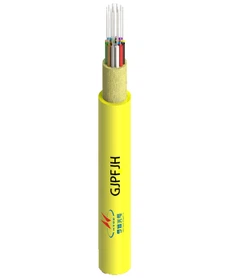


Hey there! As a supplier of fiber optic cable assemblies, I've seen firsthand how important it is to use these cables safely. Fiber optic cables are super useful, but they also come with their own set of risks if not handled properly. So, let's talk about the safety precautions you should take when using fiber optic cable assemblies.
Handling and Installation
First off, when you're handling fiber optic cable assemblies, be gentle. These cables are made of thin glass or plastic fibers that can easily break if you're too rough with them. Avoid bending the cables at sharp angles, as this can cause the fibers to crack or break. The minimum bend radius for most fiber optic cables is usually specified by the manufacturer, so make sure you follow those guidelines.
When installing the cables, use the right tools. You don't want to use any sharp or abrasive tools that could damage the cables. For example, when stripping the outer jacket of the cable, use a proper cable stripper. This will ensure that you don't cut into the inner fibers. Also, make sure to clean the connectors before installation. Dust and debris on the connectors can cause signal loss or even damage the equipment. You can use a lint - free cloth and a cleaning solution specifically designed for fiber optic connectors.
Eye Safety
One of the biggest safety concerns when working with fiber optic cable assemblies is eye safety. Fiber optic cables carry light signals, and these signals can be very intense. If you look directly into a live fiber optic cable, it can cause serious eye damage, including blindness.
Always assume that a fiber optic cable is live unless you're absolutely sure it's not. Use protective eyewear when working with these cables. There are special safety glasses designed for fiber optic work that can block the harmful light signals. Also, make sure to label all cables clearly, especially those that are carrying live signals. This will help prevent accidental exposure to the light.
Electrical Safety
Even though fiber optic cables transmit light instead of electricity, there can still be electrical hazards associated with them. For example, the equipment that the fiber optic cables are connected to may be electrical. Make sure that all electrical connections are properly grounded to prevent electrical shocks.
Before working on any equipment connected to fiber optic cables, turn off the power. This will reduce the risk of electrical accidents. Also, be careful when working near power lines or other electrical sources. Fiber optic cables should be installed at a safe distance from these sources to avoid interference and potential electrical hazards.
Environmental Considerations
The environment where you install fiber optic cable assemblies can also affect their safety. Avoid installing the cables in areas where they can be exposed to extreme temperatures, moisture, or chemicals. High temperatures can cause the cables to expand and contract, which can lead to fiber breakage. Moisture can corrode the connectors and cause signal loss. Chemicals can damage the cable jacket and the inner fibers.
If you need to install the cables in an outdoor environment, use cables that are designed for outdoor use. These cables usually have a more durable outer jacket that can withstand harsh weather conditions. Also, make sure to protect the cables from physical damage, such as being stepped on or hit by objects.
Storage
Proper storage of fiber optic cable assemblies is also crucial for their safety. When you're not using the cables, store them in a cool, dry place. Avoid storing them in areas where they can be exposed to direct sunlight or extreme temperatures.
Keep the cables coiled neatly and make sure they're not under any stress. You can use cable reels or storage boxes to keep the cables organized. Also, make sure to label the stored cables clearly so that you can easily find the ones you need.
Maintenance
Regular maintenance of fiber optic cable assemblies is essential for their safe and efficient operation. Inspect the cables regularly for any signs of damage, such as cuts, cracks, or loose connectors. If you find any damaged cables, replace them immediately.
Clean the connectors regularly to prevent signal loss. You can use a connector cleaning kit, which usually includes a cleaning pen and a cleaning solution. Make sure to follow the manufacturer's instructions when cleaning the connectors.
Specific Product Considerations
Let's take a look at some specific fiber optic cable assemblies and the safety precautions related to them.
The Multi - Fiber FC To FC Cable Assembly is a popular choice for many applications. When handling this cable assembly, pay special attention to the connectors. The FC connectors are threaded, so make sure you don't over - tighten them when connecting them to the equipment. Over - tightening can damage the connectors and cause signal loss.
The Pre - Connectorized Drop Cable is often used for indoor and outdoor drop applications. Since it's used in various environments, make sure it's installed in a way that protects it from physical damage. Also, when splicing or terminating this cable, follow the proper procedures to ensure a reliable connection.
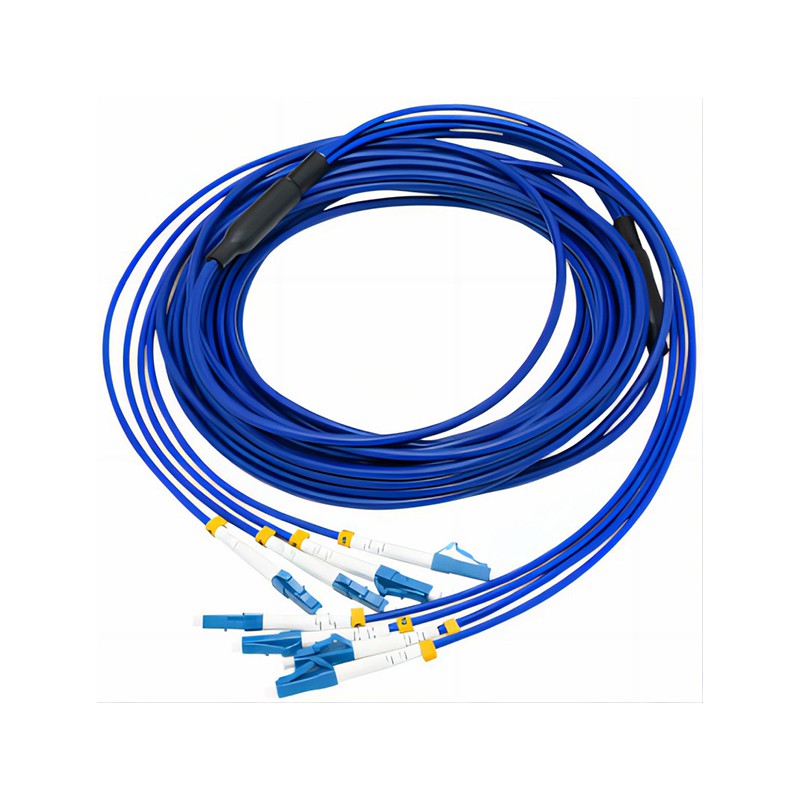
The LC to LC Multi - Fiber Optic Jumper Cable is widely used in data centers. These cables are usually very flexible, but still, avoid excessive bending. The LC connectors are small and delicate, so handle them with care.
Training
If you're a company or an organization that uses fiber optic cable assemblies, it's important to provide proper training to your employees. Training should cover all aspects of fiber optic cable safety, including handling, installation, maintenance, and emergency procedures.
Employees should be aware of the potential hazards associated with fiber optic cables and know how to use the equipment and tools safely. Regular training sessions can help keep everyone up - to - date on the latest safety practices.

Conclusion
Using fiber optic cable assemblies safely is of utmost importance. By following these safety precautions, you can prevent accidents, ensure the longevity of the cables, and maintain a reliable communication network.
If you're in the market for high - quality fiber optic cable assemblies and need more information or want to discuss your specific requirements, don't hesitate to reach out. We're here to help you find the best solutions for your needs.
References
- "Fiber Optic Installation and Maintenance Guide" by industry experts.
- Manufacturer's manuals for various fiber optic cable assemblies.