



As a supplier of underground fibre optic cable, I understand the importance of safety during the installation process. Installing underground fibre optic cables is a complex task that requires careful planning and strict adherence to safety precautions. In this blog, I will share some key safety measures that should be taken when installing underground fibre optic cables.
1. Pre - installation Safety Checks
Site Assessment
Before starting the installation, a thorough site assessment is crucial. This includes identifying potential hazards such as existing underground utilities like gas lines, water pipes, and electrical cables. You can obtain utility maps from local authorities to mark the locations of these utilities accurately. Failure to do so can lead to serious accidents, including gas leaks, electrocution, or water supply disruptions.
Equipment Inspection
Inspect all the installation equipment in advance. This includes cable pulling machines, trenchers, and hand tools. Check for any signs of damage, wear and tear, or malfunction. For example, a cable pulling machine with a faulty brake can cause the cable to be pulled too forcefully, leading to cable damage or injury to the workers. Ensure that all safety guards and shields are in place and functioning properly.
Personal Protective Equipment (PPE)
Provide appropriate PPE for all workers involved in the installation. This includes hard hats to protect against falling objects, safety glasses to prevent eye injuries from flying debris, gloves to protect hands from sharp edges and chemicals, and high - visibility vests for better visibility in the work area. Workers should be trained on how to use and maintain their PPE correctly.
2. Trenching Safety
Trench Design
When digging trenches for the fibre optic cables, follow proper trench design standards. The depth and width of the trench should be appropriate for the cable type and the number of cables being installed. For example, deeper trenches may be required for cables that need to be protected from heavy traffic or environmental factors. The sides of the trench should be sloped or shored to prevent cave - ins. Shoring systems should be installed by trained personnel and inspected regularly.
Trench Safety Barriers
Install safety barriers around the trench to prevent unauthorized access. These barriers should be clearly marked with warning signs indicating the presence of a trench. Workers should be trained to enter and exit the trench safely, using ladders or other approved access methods. Never allow workers to jump into or out of the trench, as this can lead to serious injuries.
Gas and Oxygen Monitoring
In some cases, trenches may be located in areas where there is a risk of gas accumulation or low oxygen levels. Use gas detectors to monitor the air quality in the trench regularly. If dangerous gas levels are detected, evacuate the area immediately and take appropriate measures to ventilate the trench before allowing workers to re - enter.
3. Cable Installation Safety
Cable Handling
When handling the fibre optic cables, be careful not to bend or twist them beyond their specified limits. Excessive bending or twisting can cause signal loss or even breakage of the fibres. Use cable reels and pulling equipment designed for fibre optic cables to ensure smooth and gentle handling. When pulling the cable, use a pulling tension that is within the recommended range. You can refer to the cable manufacturer's specifications for the maximum allowable pulling tension.
Cable Splicing
Cable splicing is a critical step in the installation process. When splicing the fibre optic cables, work in a clean and dry environment to prevent contamination of the fibres. Use proper splicing tools and techniques to ensure a reliable connection. Workers should be trained in splicing procedures and follow strict safety protocols. For example, when using fusion splicers, be careful to avoid exposure to high - voltage components.
Avoiding Electrical Hazards
Although fibre optic cables are non - conductive, there may be electrical hazards in the installation area, such as nearby power lines or electrical equipment. Keep a safe distance from electrical sources and follow all electrical safety regulations. If the installation area is near power lines, use non - conductive tools and equipment to prevent electrical contact.
4. Environmental Safety
Protection of Natural Resources
When installing underground fibre optic cables, take steps to protect the natural environment. Avoid disturbing wildlife habitats, wetlands, and other sensitive areas as much as possible. If it is necessary to work in these areas, obtain the required permits and follow environmental protection guidelines. For example, when digging trenches, minimize soil erosion by using erosion control measures such as silt fences.
Chemical and Waste Management
During the installation process, there may be the use of chemicals such as adhesives and cleaning agents. These chemicals should be stored, used, and disposed of properly. Follow all local regulations regarding the handling and disposal of chemicals. Also, properly manage any waste generated during the installation, such as packaging materials and damaged cables. Recycling or disposing of waste in an environmentally friendly manner can help reduce the impact on the environment.
5. Post - installation Safety
Backfilling
After the cable has been installed, backfill the trench carefully. Use clean, well - graded soil to fill the trench, and compact it in layers to prevent settling. Avoid using soil that contains large rocks or debris, as this can damage the cable. During backfilling, ensure that the cable is not accidentally damaged by the backfilling equipment.

Marking the Cable Route
Mark the cable route clearly on the surface. This can be done using markers or signage. Clear markings help prevent future accidental damage to the cable during other construction or excavation activities in the area. Provide a detailed map of the cable route to the relevant authorities and property owners.
6. Product - related Considerations
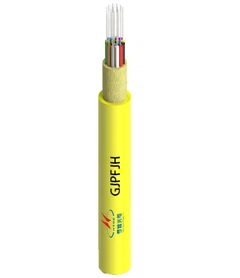
We offer a variety of underground fibre optic cables, each with its own safety features and installation requirements. For example, our Non Metallic Double Jacket Cable provides excellent protection against environmental factors and is relatively easy to install. The double - jacket design adds an extra layer of protection to the fibres.
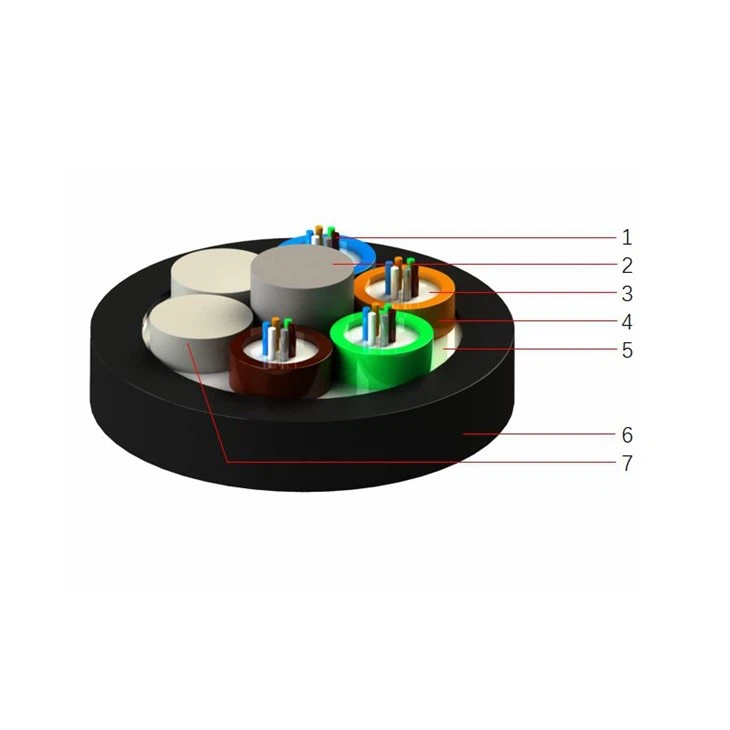
Our Multi Tube Double Jacket and Armored Direct Buried Cable is suitable for more demanding environments. The armored layer provides additional protection against physical damage, such as being hit by construction equipment or rodents.
The FRP Strength Member Multitube Single Jacket Duct Cable is designed with a fiberglass - reinforced plastic (FRP) strength member, which offers high tensile strength while remaining lightweight. This makes it easier to handle during installation.
Conclusion
Installing underground fibre optic cables requires strict adherence to safety precautions at every stage of the process. By following these safety measures, you can ensure the safety of your workers, protect the environment, and guarantee the successful installation of high - quality fibre optic cables. If you are planning an underground fibre optic cable installation project, we are here to provide you with the best products and technical support. Contact us for more information and to discuss your procurement needs. We look forward to working with you to achieve your project goals.
References
- National Fire Protection Association (NFPA) standards related to cable installation.
- Occupational Safety and Health Administration (OSHA) guidelines for construction work.
- Fibre optic cable manufacturers' installation manuals.