





Hey there! As a supplier of FTTH drop cable patch cords, I've seen firsthand how important it is to store these cables properly. In this blog post, I'll share some tips on how to store your FTTH drop cable patch cords to ensure they stay in top condition and perform at their best.
First off, let's talk about why proper storage matters. FTTH drop cable patch cords are delicate pieces of equipment. They're made up of fiber - optic strands that can be easily damaged by things like bending, twisting, or exposure to harsh environmental conditions. If these cables aren't stored correctly, their performance can degrade over time, leading to signal loss, slow data transfer speeds, and even complete cable failure.
Choose the Right Storage Location
The first step in proper storage is picking the right spot. You want a place that's clean, dry, and temperature - controlled. A storage room or closet that's away from direct sunlight, moisture, and extreme temperatures is ideal. Avoid areas near heaters, air conditioners, or windows where the cables could be exposed to heat, cold, or humidity.
Moisture is a big enemy of fiber - optic cables. It can cause corrosion and damage to the cable's internal components. If the storage area is prone to high humidity, consider using a dehumidifier to keep the moisture levels in check.
Temperature fluctuations can also be harmful. Extreme heat can cause the cable's coating to expand and contract, which may lead to micro - bends in the fiber. On the other hand, extreme cold can make the cable more brittle and increase the risk of breakage. Aim for a storage temperature between 10°C and 30°C (50°F and 86°F).
Organize Your Cables
Once you've found the right storage location, it's time to get organized. Don't just throw your FTTH drop cable patch cords in a heap. Instead, use cable organizers like cable trays, racks, or spools. These tools help keep the cables neatly arranged and prevent them from getting tangled.
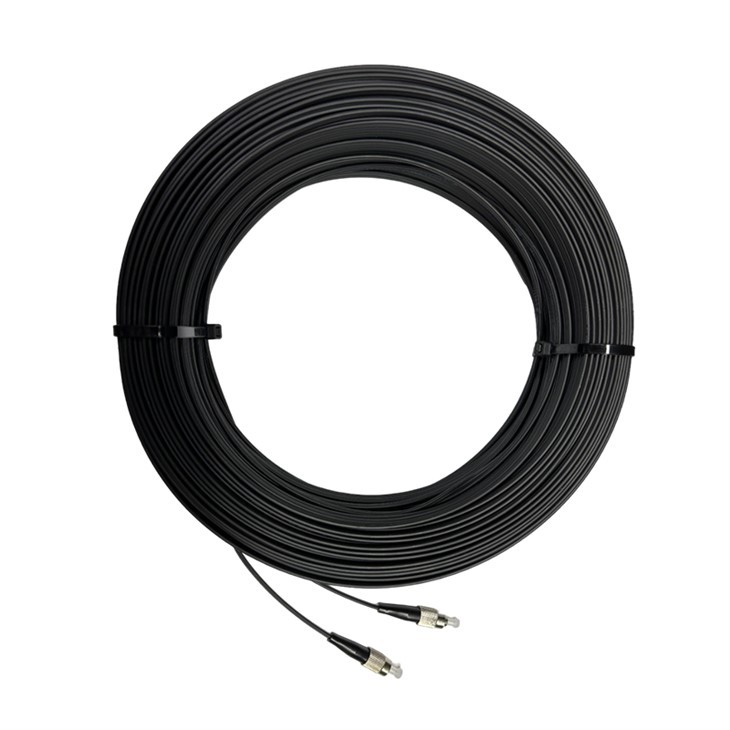
When using cable trays or racks, make sure the cables are laid out in an orderly fashion. Avoid sharp bends or kinks in the cables, as these can cause signal loss. If you're using spools, wind the cables around the spool evenly and at a gentle curve.
Labeling is also crucial. Mark each cable with its type, length, and any other relevant information. This makes it easier to find the right cable when you need it and helps prevent mix - ups. For example, you might have different types of patch cords like the FTTH Patch Cord FC Duplex Pigtail, FTTH Drop Cable Patch Cord SC Duplex Pigtail, and FTTH Patch Cord LC to LC. Labeling will ensure you can quickly identify and access the specific cable you require.
Protect the Connectors
The connectors on your FTTH drop cable patch cords are especially vulnerable. They need to be protected from dust, dirt, and physical damage. Use connector caps or dust plugs to cover the connectors when the cables are in storage. These caps prevent contaminants from getting into the connectors and causing signal interference.
Before putting the caps on, make sure the connectors are clean. You can use a lint - free cloth and a specialized fiber - optic cleaning solution to gently wipe the connectors. This helps maintain the integrity of the connection and ensures optimal performance.
When handling the cables, be careful not to touch the connectors with your bare hands. The oils and dirt on your fingers can transfer to the connectors and affect their performance. Always wear clean gloves when working with the cables and connectors.
Avoid Over - Bending
Fiber - optic cables have a minimum bend radius, which is the smallest radius that the cable can be bent without causing damage. Exceeding this bend radius can lead to signal loss and reduced cable lifespan. When storing your FTTH drop cable patch cords, make sure they're not bent too tightly.
If you need to coil the cables, use a large enough coil diameter. A general rule of thumb is to keep the coil diameter at least 10 times the cable's outer diameter. For example, if your cable has an outer diameter of 3mm, the coil diameter should be at least 30mm.
Check Regularly
Even if you've stored your cables correctly, it's a good idea to check them regularly. Inspect the cables for any signs of damage, such as cuts, abrasions, or loose connectors. If you notice any issues, address them immediately.
Look for changes in the cable's appearance, like discoloration or swelling. These could be signs of internal damage or exposure to harsh conditions. If you find a damaged cable, it's best to replace it to avoid any potential problems with your network.
Long - Term Storage Considerations
If you're storing your FTTH drop cable patch cords for an extended period, there are a few additional things to keep in mind. First, make sure the cables are properly sealed in their original packaging or a suitable storage bag. This provides an extra layer of protection against dust and moisture.
You might also want to consider periodically unwinding and rewinding the cables. This helps prevent the cables from developing permanent bends or kinks over time. Do this gently to avoid causing any damage to the cables.
Conclusion
Properly storing your FTTH drop cable patch cords is essential for maintaining their performance and longevity. By choosing the right storage location, organizing your cables, protecting the connectors, avoiding over - bending, and checking them regularly, you can ensure that your cables are always in good condition when you need them.
If you're in the market for high - quality FTTH drop cable patch cords or have any questions about cable storage, feel free to reach out. We're here to help you make the best choices for your network needs. Whether you're looking for FTTH Patch Cord FC Duplex Pigtail, FTTH Drop Cable Patch Cord SC Duplex Pigtail, or FTTH Patch Cord LC to LC, we've got you covered. Let's start a conversation about your requirements and how we can provide the right solutions for you.

References
- Fiber Optic Association. Fiber Optic Installation and Troubleshooting Guide.
- Manufacturer's guidelines for FTTH drop cable patch cords.