





Soil movement is a significant challenge that can pose serious threats to underground fibre optic cables. As a leading supplier of underground fibre optic cables, we understand the importance of protecting these vital communication infrastructures from the adverse effects of soil movement. In this blog post, we will explore various strategies and solutions to safeguard underground fibre optic cables from soil movement.
Understanding the Causes of Soil Movement
Before delving into protective measures, it is crucial to understand the primary causes of soil movement. There are several factors that can lead to soil displacement, including:
- Natural Disasters: Earthquakes, floods, and landslides are natural disasters that can cause significant soil movement. These events can result in the shifting, settling, or heaving of the ground, which can damage underground fibre optic cables.
- Weather Conditions: Extreme weather conditions, such as heavy rainfall, drought, and freezing temperatures, can also cause soil movement. For example, prolonged periods of heavy rain can saturate the soil, leading to soil erosion and instability. On the other hand, drought can cause the soil to shrink and crack, which can also damage underground cables.
- Human Activities: Construction projects, mining operations, and excavation work can all cause soil movement. These activities can disrupt the natural balance of the soil, leading to soil settlement, subsidence, or lateral movement.
The Impact of Soil Movement on Underground Fibre Optic Cables
Soil movement can have a detrimental impact on underground fibre optic cables. When the soil moves, it can put stress on the cables, causing them to bend, stretch, or break. This can result in signal loss, reduced bandwidth, and even complete cable failure. In addition, soil movement can also damage the cable's protective jacket, exposing the delicate fibre optic strands to moisture, chemicals, and other environmental hazards.
Strategies for Protecting Underground Fibre Optic Cables from Soil Movement
To protect underground fibre optic cables from soil movement, it is essential to implement a comprehensive strategy that includes proper cable selection, installation techniques, and monitoring systems. Here are some key strategies that we recommend:
1. Select the Right Cable
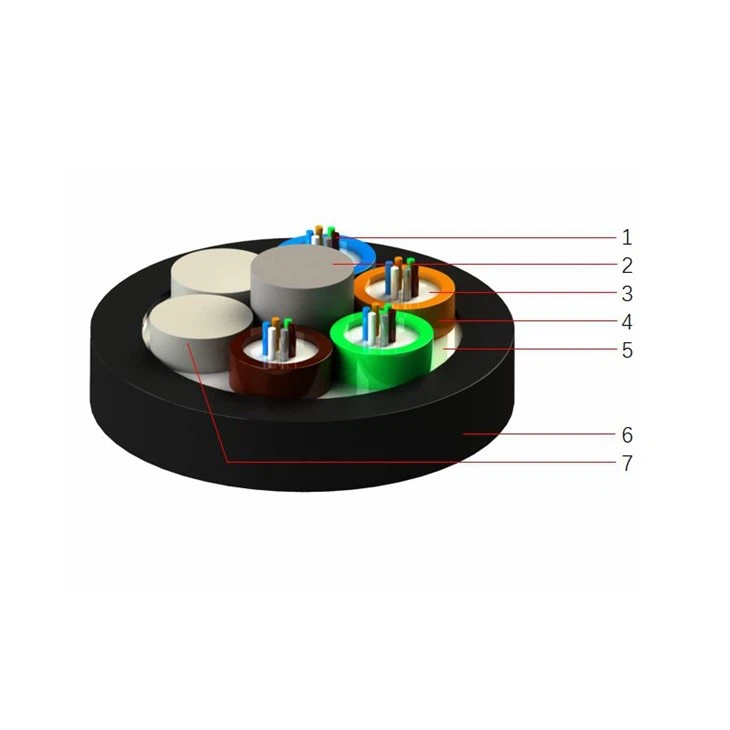
Choosing the right type of cable is crucial for protecting it from soil movement. At our company, we offer a wide range of underground fibre optic cables that are specifically designed to withstand the challenges of soil movement. For example, our Multi Tube Single Jacket Metal Tape Armored Duct Cable features a metal tape armor that provides excellent protection against mechanical damage and soil movement. Our Non Metallic Double Jacket Cable is also a popular choice, as it offers enhanced flexibility and resistance to environmental factors. Additionally, our FRP Strength Member Multitube Single Jacket Duct Cable is designed with a fiberglass-reinforced plastic (FRP) strength member, which provides superior strength and durability.

2. Proper Installation Techniques
Proper installation is essential for ensuring the long-term performance and reliability of underground fibre optic cables. When installing cables in areas prone to soil movement, it is important to follow best practices to minimize the risk of damage. Here are some key installation techniques that we recommend:
- Trench Design: The trench should be designed to accommodate the expected soil movement. It should be deep enough to provide adequate cover for the cable and wide enough to allow for proper installation and maintenance.
- Bedding and Backfilling: The cable should be placed on a bed of soft, granular material, such as sand or gravel, to provide cushioning and support. After the cable is installed, the trench should be backfilled with a suitable material, such as compacted soil or crushed stone, to protect the cable from further movement.
- Bend Radius: The cable should be installed with a minimum bend radius to prevent damage to the fibre optic strands. The bend radius should be specified by the cable manufacturer and should be followed during installation.
- Anchoring: In areas where soil movement is expected to be significant, the cable should be anchored to prevent it from shifting or moving. This can be done using cable ties, clamps, or other anchoring devices.
3. Monitoring Systems
Implementing a monitoring system is essential for detecting and responding to soil movement in a timely manner. There are several types of monitoring systems available, including:
- Strain Sensors: Strain sensors can be installed along the cable to measure the amount of stress and strain on the cable. These sensors can detect even small changes in the cable's shape and alert operators to potential problems.
- Inclinometers: Inclinometers can be used to measure the tilt and movement of the ground. These sensors can provide early warning of soil movement and help operators take preventive measures to protect the cable.
- Ground Penetrating Radar (GPR): GPR can be used to detect changes in the soil structure and identify areas of potential soil movement. This technology can provide valuable information about the subsurface conditions and help operators plan for cable installation and maintenance.
4. Maintenance and Repair
Regular maintenance and repair are essential for ensuring the long-term performance and reliability of underground fibre optic cables. It is important to inspect the cables regularly for signs of damage or wear and to repair any issues as soon as they are detected. Here are some key maintenance and repair tasks that we recommend:
- Visual Inspections: Visual inspections should be conducted regularly to check for signs of damage or wear on the cable's protective jacket, connectors, and splices.
- Testing: The cable should be tested regularly to ensure that it is functioning properly. This can be done using a variety of testing equipment, such as optical time-domain reflectometers (OTDRs) and light sources.
- Repairs: If any damage or wear is detected, the cable should be repaired as soon as possible. This may involve replacing the damaged section of the cable, repairing the protective jacket, or re-terminating the connectors.
Conclusion
Protecting underground fibre optic cables from soil movement is a critical challenge that requires a comprehensive approach. By selecting the right cable, following proper installation techniques, implementing a monitoring system, and conducting regular maintenance and repair, you can minimize the risk of damage and ensure the long-term performance and reliability of your underground fibre optic network.
As a leading supplier of underground fibre optic cables, we are committed to providing our customers with the highest quality products and services. If you have any questions or need assistance with protecting your underground fibre optic cables from soil movement, please do not hesitate to contact us. We would be happy to discuss your specific needs and provide you with a customized solution.
References
- "Underground Fiber Optic Cable Installation Guide," Telecommunications Industry Association (TIA).
- "Best Practices for Protecting Underground Fiber Optic Cables from Environmental Hazards," Fiber Optic Association (FOA).
- "Soil Mechanics and Foundation Engineering," Braja M. Das.