



Installing an underground fibre optic cable in a densely populated area is a complex yet rewarding endeavor. As a supplier of underground fibre optic cables, I've witnessed firsthand the challenges and opportunities that come with such projects. In this blog post, I'll share some insights on how to successfully install underground fibre optic cables in densely populated regions.
Understanding the Challenges
Densely populated areas present unique challenges for underground fibre optic cable installation. One of the primary challenges is the limited space available for excavation. With buildings, roads, and other infrastructure tightly packed together, finding suitable routes for cable installation can be a daunting task. Additionally, the presence of existing utilities such as water pipes, gas lines, and electrical cables further complicates the installation process.
Another challenge is the high level of disruption that cable installation can cause to the local community. Densely populated areas are often bustling with activity, and any disruption to traffic, businesses, or residents can have a significant impact. Therefore, it's crucial to minimize disruption as much as possible during the installation process.
Planning the Installation
The first step in installing an underground fibre optic cable in a densely populated area is to conduct a thorough site survey. This involves mapping out the area, identifying potential obstacles, and determining the best route for the cable. During the site survey, it's important to work closely with local authorities, utility companies, and other stakeholders to ensure that all necessary permits and approvals are obtained.
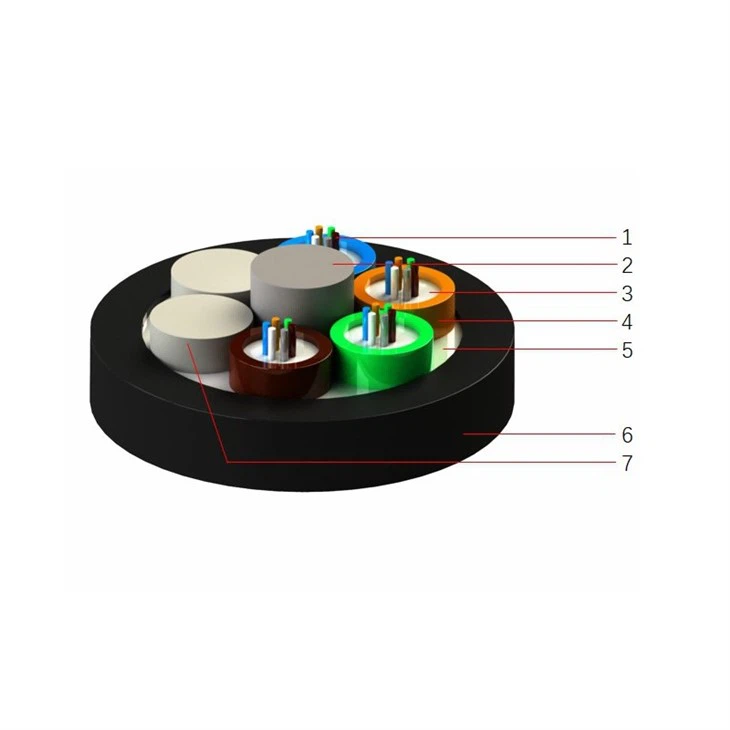
Once the route has been determined, the next step is to design the cable network. This involves selecting the appropriate type of cable for the project, as well as determining the number and location of splice points, manholes, and other infrastructure. As a supplier, I recommend considering our FRP Strength Member Multitube Single Jacket Duct Cable for its high strength and durability, or our Multi Tube Double Jacket and Armored Direct Buried Cable for added protection in harsh environments.
In addition to cable selection, it's also important to consider the installation method. There are several methods available for installing underground fibre optic cables, including direct burial, trenching, and microtrenching. The choice of installation method will depend on a variety of factors, such as the type of soil, the depth of the cable, and the presence of existing utilities.
Preparing for Installation
Before the installation process begins, it's important to prepare the site. This involves clearing the area of any debris or obstacles, marking the route for the cable, and setting up the necessary equipment. It's also important to ensure that all safety measures are in place, such as barricades, warning signs, and personal protective equipment.
In addition to site preparation, it's also important to prepare the cable for installation. This involves cutting the cable to the appropriate length, stripping the outer jacket, and terminating the ends. It's important to follow the manufacturer's instructions carefully when preparing the cable to ensure that it is installed correctly.
Installing the Cable
Once the site and cable are prepared, the installation process can begin. The first step is to dig the trench or bore the hole for the cable. This should be done carefully to avoid damaging any existing utilities or infrastructure. Once the trench or hole is dug, the cable can be laid in place and secured using cable ties or other fasteners.

After the cable is laid, it's important to test it to ensure that it is functioning properly. This involves using a fiber optic tester to measure the signal strength and quality of the cable. If any issues are detected, they should be addressed immediately to ensure that the cable is installed correctly.
Restoring the Site
Once the cable is installed and tested, the next step is to restore the site. This involves filling in the trench or hole, replacing any turf or landscaping, and cleaning up any debris or equipment. It's important to ensure that the site is restored to its original condition as much as possible to minimize disruption to the local community.
Maintenance and Support
After the cable is installed, it's important to provide ongoing maintenance and support to ensure that it continues to function properly. This involves regular inspections, testing, and repairs as needed. As a supplier, I offer a range of maintenance and support services to help ensure that your underground fibre optic cable network is always up and running.
Conclusion
Installing an underground fibre optic cable in a densely populated area is a complex but rewarding endeavor. By following the steps outlined in this blog post, you can ensure that your cable installation project is completed safely, efficiently, and with minimal disruption to the local community. As a supplier of underground fibre optic cables, I'm committed to providing high-quality products and services to help you achieve your goals. If you're interested in learning more about our products or services, or if you have any questions about installing an underground fibre optic cable in a densely populated area, please don't hesitate to contact us to discuss your specific needs and explore potential procurement opportunities.
References
- Fiber Optic Association. (n.d.). Fiber Optic Installation Best Practices. Retrieved from [Website URL]
- Telecommunications Industry Association. (n.d.). Standards for Fiber Optic Cable Installation. Retrieved from [Website URL]