



Ensuring that air - blown micro cable installation meets specifications is a multi - faceted process that requires careful planning, high - quality materials, and skilled execution. As a supplier of air - blown micro cables, I understand the importance of these installations adhering to strict standards to guarantee optimal performance and longevity of the cable network.
Pre - installation Planning
The first step in ensuring proper air - blown micro cable installation is comprehensive pre - installation planning. This involves a detailed assessment of the installation site. Surveyors need to evaluate the route that the cable will take, including the length, the number of bends, and the presence of any obstacles. For instance, if the cable needs to pass through a building with multiple floors and tight corners, the installation process will be more complex compared to a straight - line outdoor installation.
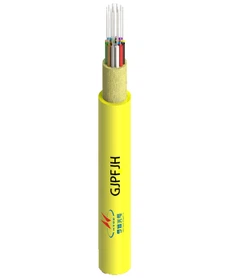
Another crucial aspect of pre - installation planning is determining the appropriate cable type. We offer a variety of air - blown micro cables, such as the Center Tube Micro Air Blown Cable and the Stranded Loose Tube Micro Air Blown Cable. The center tube design is suitable for applications where a high fiber count in a compact space is required, while the stranded loose tube design provides better protection for individual fibers and is ideal for long - distance installations.
It is also essential to consider the environmental conditions of the installation site. Harsh weather, extreme temperatures, and high humidity can all affect the performance of the cable. For example, in areas with high humidity, cables with better moisture - resistant properties should be selected. Additionally, the installation team should be aware of any local regulations or codes that govern the installation of telecommunications cables.
Cable Selection and Quality Assurance
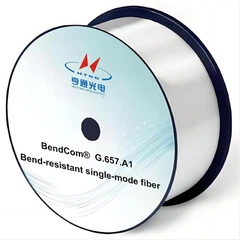
As a supplier, we take great pride in offering high - quality air - blown micro cables. Our cables are manufactured using advanced technology and high - grade materials to ensure reliable performance. The Enhanced Performance Fibre Units in our cables are designed to provide excellent signal transmission and low attenuation.
Before the cables are shipped to the installation site, they undergo rigorous quality control tests. These tests include optical fiber attenuation tests, mechanical strength tests, and environmental resistance tests. Only cables that meet our strict quality standards are approved for use in installations.
When selecting a cable for a specific project, it is important to consider the required fiber count, bandwidth, and transmission distance. For high - density applications, such as data centers, cables with a higher fiber count may be necessary. On the other hand, for long - distance telecommunications networks, cables with low attenuation and high - speed transmission capabilities are preferred.
Installation Process
The installation of air - blown micro cables is a specialized process that requires trained technicians. The first step in the installation process is to prepare the ducts or micro - ducts. The ducts should be clean and free of any debris or obstacles that could impede the cable's movement. A lubricant may be applied to the inside of the ducts to reduce friction during the blowing process.
The cable blowing equipment should be properly calibrated and maintained. The blowing machine should be set to the appropriate pressure and flow rate based on the cable type and the length of the duct. If the pressure is too high, it could damage the cable, while if the pressure is too low, the cable may not be able to reach the desired destination.
During the blowing process, the cable should be monitored closely to ensure that it is being installed smoothly. Any signs of cable damage or blockages should be addressed immediately. The installation team should also keep a record of the installation process, including the blowing time, pressure readings, and any issues encountered.
After the cable has been blown into the duct, it should be terminated and spliced correctly. Proper termination and splicing are essential for maintaining the integrity of the cable network. The splices should be protected with appropriate splice closures to prevent moisture and mechanical damage.
Post - installation Testing
Once the cable installation is complete, it is crucial to conduct thorough post - installation testing. These tests are designed to verify the performance of the cable and ensure that it meets the specified requirements. The most common tests include optical time - domain reflectometer (OTDR) tests, which measure the attenuation and length of the cable, and insertion loss tests, which measure the loss of signal at the connectors and splices.
If any issues are detected during the testing process, they should be resolved immediately. This may involve re - splicing the cable, replacing damaged connectors, or adjusting the cable tension. After the issues have been resolved, the testing should be repeated to ensure that the cable is functioning properly.
Training and Support
As a supplier, we understand that proper installation and maintenance of air - blown micro cables require skilled technicians. That's why we offer comprehensive training programs for our customers. These training programs cover all aspects of air - blown micro cable installation, from pre - installation planning to post - installation testing.


In addition to training, we also provide ongoing technical support to our customers. Our team of experts is available to answer any questions and provide assistance with any issues that may arise during the installation or maintenance process.
Conclusion
Ensuring that air - blown micro cable installation meets specifications is a complex but essential process. By following the steps outlined above, including comprehensive pre - installation planning, careful cable selection, proper installation, and thorough post - installation testing, you can ensure the success of your cable installation project.
If you are in need of high - quality air - blown micro cables or require assistance with your cable installation project, we are here to help. Our team of experts can provide you with the best solutions based on your specific requirements. Contact us today to discuss your project and explore our range of air - blown micro cable products.
References
- ITU - T G.652: Characteristics of a single - mode optical fibre cable and cable.
- IEEE 802.3: Ethernet standards for local area networks.
- Telcordia GR - 20: Generic requirements for optical fiber and cable.