

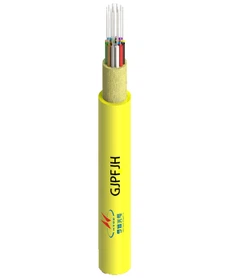


Temperature is a critical environmental factor that can significantly influence the performance of FTTH drop cable patch cords. As a seasoned supplier of FTTH drop cable patch cords, I've witnessed firsthand how temperature variations can impact these essential components in fiber - optic networks. In this blog, we'll explore in detail how temperature affects the performance of FTTH drop cable patch cords and what measures can be taken to mitigate these effects.
Understanding FTTH Drop Cable Patch Cords
Before delving into the impact of temperature, it's important to understand what FTTH drop cable patch cords are. These cords are used to connect the optical network terminal (ONT) to the distribution network in fiber - to - the - home (FTTH) systems. They come in various types, such as FTTH Drop Cable Patch Cord LC Duplex Pigtail, FTTH Patch Cord SC to SC, and FTTH Patch Cord SC pigtail. These patch cords are designed to provide a reliable and efficient connection for high - speed data transmission in residential and small - business settings.
Effects of High Temperature on FTTH Drop Cable Patch Cords
Signal Loss
One of the most significant impacts of high temperature on FTTH drop cable patch cords is an increase in signal loss. When the temperature rises, the optical fibers within the patch cord can experience thermal expansion. This expansion can cause microscopic bends and deformations in the fiber, leading to light leakage and an increase in attenuation. As a result, the signal strength weakens, and the quality of data transmission deteriorates.
Material Degradation
High temperatures can also cause the materials used in the patch cord to degrade. The protective jacket of the patch cord, typically made of materials like PVC or LSZH (low - smoke zero - halogen), can become brittle and lose its flexibility over time when exposed to high heat. This can make the patch cord more susceptible to physical damage, such as cracking or breaking. Additionally, the adhesive used to bond the fiber to the connector can soften, leading to a loose connection and further signal loss.
Connector Performance
The connectors at the ends of the FTTH drop cable patch cord are also affected by high temperatures. The ferrules in the connectors, usually made of ceramic or plastic, can expand at different rates compared to the optical fiber. This differential expansion can cause misalignment between the fiber and the ferrule, resulting in increased insertion loss and return loss. Moreover, the contact surfaces of the connectors can oxidize more rapidly in high - temperature environments, reducing the quality of the optical connection.
Effects of Low Temperature on FTTH Drop Cable Patch Cords
Brittleness and Fracture
Low temperatures can make the materials in the FTTH drop cable patch cord extremely brittle. The protective jacket and the fiber itself become more prone to cracking and breaking under mechanical stress. For example, during installation or maintenance, a simple bend or tug on the patch cord at low temperatures can cause the fiber to fracture, leading to a complete loss of signal.
Increased Signal Loss
Similar to high - temperature conditions, low temperatures can also cause an increase in signal loss. The contraction of the optical fiber at low temperatures can create micro - bends, which scatter the light and increase attenuation. Additionally, the viscosity of the gel used to fill the cable to protect the fiber from moisture can increase at low temperatures, further affecting the optical performance.
Connector Issues
At low temperatures, the connectors can also face problems. The shrinkage of the materials in the connector can cause the ferrule to become misaligned with the fiber, resulting in poor optical coupling. The contact between the connector pins can also be affected, leading to increased insertion and return loss.


Mitigating the Effects of Temperature
Temperature - Resistant Materials
Using temperature - resistant materials is one of the most effective ways to mitigate the effects of temperature on FTTH drop cable patch cords. For the protective jacket, materials with a wider temperature range, such as fluoropolymers, can be used. These materials maintain their flexibility and mechanical properties over a broader temperature spectrum, reducing the risk of cracking and damage.
Environmental Control
In some cases, environmental control can be implemented to maintain a stable temperature around the FTTH drop cable patch cords. This can involve installing the patch cords in temperature - controlled enclosures or using heating and cooling systems in the areas where the cords are installed. By keeping the temperature within an optimal range, the performance of the patch cords can be maintained.
Quality Connectors
Using high - quality connectors that are designed to withstand temperature variations is crucial. Connectors with precision - engineered ferrules and stable contact surfaces can minimize the impact of temperature on the optical connection. Additionally, connectors with proper sealing can prevent moisture and dust from entering, which can exacerbate the effects of temperature.
Conclusion
Temperature has a profound impact on the performance of FTTH drop cable patch cords. High temperatures can cause signal loss, material degradation, and connector issues, while low temperatures can lead to brittleness, increased signal loss, and connector misalignment. As a supplier of FTTH drop cable patch cords, we understand the importance of providing products that can withstand a wide range of temperature conditions. By using temperature - resistant materials, implementing environmental control measures, and offering high - quality connectors, we can ensure that our customers receive reliable and high - performance patch cords.
If you're in the market for FTTH drop cable patch cords and want to learn more about how our products can perform in different temperature environments, we invite you to contact us for a detailed discussion. Our team of experts is ready to assist you in finding the best solutions for your specific needs.
References
- "Fiber Optic Communication Systems" by Govind P. Agrawal
- "Handbook of Fiber Optic Data Communication" by John D. Barry and Edward A. Lee
- Industry whitepapers on fiber - optic cable performance in different environmental conditions