



In the dynamic landscape of modern networking, high-speed transceiver module optical components play a pivotal role in ensuring seamless data transmission. As a trusted supplier of these essential components, I've witnessed firsthand how they interact with other network devices to create efficient and reliable communication systems. In this blog, I'll delve into the intricate details of these interactions, shedding light on the mechanisms that drive high-speed data transfer across networks.
Understanding High-Speed Transceiver Module Optical Components
Before we explore their interactions, it's crucial to understand what high-speed transceiver module optical components are. These components are designed to convert electrical signals into optical signals and vice versa, enabling data to be transmitted over fiber optic cables at incredibly high speeds. They are the heart of high-speed networking, facilitating fast and stable connections in data centers, telecommunications networks, and various other applications.
The key components of a high-speed transceiver module include lasers, photodetectors, modulators, and filters. Lasers are responsible for generating the optical signals, while photodetectors convert the received optical signals back into electrical signals. Modulators control the intensity or phase of the optical signals, allowing data to be encoded onto the light waves. Filters, on the other hand, help to ensure that only the desired wavelengths of light are transmitted and received, minimizing interference and signal loss.
Interactions with Network Switches
Network switches are central to local area networks (LANs) and data centers, acting as the traffic controllers that direct data packets between different devices. High-speed transceiver module optical components interact with network switches in several ways.
Firstly, they provide the physical interface between the switch and the fiber optic cables. The transceiver modules are inserted into the switch ports, allowing the switch to send and receive data over the fiber optic network. This interface must be carefully designed to ensure compatibility and optimal performance. For example, the transceiver module must support the same data rate and protocol as the switch port.
Secondly, high-speed transceiver module optical components work in tandem with the switch's internal electronics to manage data flow. The switch uses its forwarding table to determine the destination of each data packet, and the transceiver modules transmit the packets over the fiber optic cables to the appropriate devices. The optical components must be able to handle high data rates and maintain signal integrity to ensure that the data is transmitted accurately and efficiently.
Interactions with Routers
Routers are responsible for connecting different networks and directing traffic between them. High-speed transceiver module optical components interact with routers in a similar way to how they interact with switches.
They provide the connection between the router and the fiber optic backbone network. Routers use these connections to communicate with other routers and access the wider internet. The high-speed capabilities of the transceiver module optical components are essential for routers to handle the large volumes of data traffic that flow through the internet.
In addition, the optical components work with the router's routing algorithms to optimize data transmission. Routers use these algorithms to determine the best path for each data packet based on factors such as network congestion, latency, and bandwidth availability. The transceiver modules must be able to adapt to changes in the network conditions and transmit the data along the most efficient path.
Interactions with Servers
Servers are the workhorses of data centers, storing and processing vast amounts of data. High-speed transceiver module optical components play a crucial role in connecting servers to the network.
They enable servers to communicate with other servers, storage devices, and clients over the fiber optic network. This high-speed connection is essential for applications that require real-time data access and processing, such as cloud computing, video streaming, and online gaming.
The optical components also help to ensure the reliability and availability of server connections. In a data center environment, multiple servers are often connected to a single network switch using redundant links. The transceiver modules can detect link failures and automatically switch to a backup link, minimizing downtime and ensuring continuous operation.
Interactions with Fiber Optic Cables
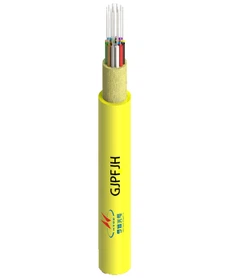
Fiber optic cables are the physical medium through which data is transmitted in high-speed networks. High-speed transceiver module optical components interact closely with these cables to ensure efficient data transfer.
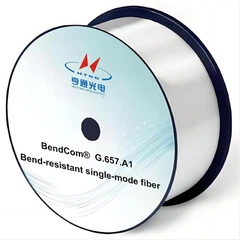
The optical components must be compatible with the type of fiber optic cable being used. There are different types of fiber optic cables, such as single-mode and multi-mode fibers, each with its own characteristics and performance capabilities. The transceiver modules must be designed to work with the specific type of fiber to achieve the best results.
For example, single-mode fibers are capable of transmitting data over longer distances at higher speeds, but they require more precise alignment and higher-quality optical components. Multi-mode fibers, on the other hand, are more suitable for shorter distances and lower-cost applications. The transceiver modules must be able to match the characteristics of the fiber optic cable to ensure optimal signal transmission.
In addition, the optical components must be able to compensate for any losses or impairments that occur in the fiber optic cable. Factors such as bending, splicing, and environmental conditions can cause signal loss and degradation. The transceiver modules use techniques such as equalization and amplification to overcome these challenges and maintain signal integrity.


Specialized Components: MT-MT and MT-FA Jumpers
In some high-speed networking applications, specialized components such as MT-MT and MT-FA Jumpers are used to facilitate the connection between multiple fiber optic cables.
MT-MT connectors are designed to connect multiple fibers in a single connector, allowing for high-density connections. They are commonly used in data centers and other high-speed networking environments where space is limited. The high-speed transceiver module optical components can be used in conjunction with MT-MT connectors to enable fast and efficient data transmission between multiple devices.
MT-FA jumpers, on the other hand, are used to connect MT connectors to fan-out assemblies. They provide a convenient way to connect multiple fibers to a single device or interface. The optical components in the transceiver modules must be able to work seamlessly with these jumpers to ensure reliable data transfer.
Conclusion
High-speed transceiver module optical components are essential for modern networking, enabling fast and reliable data transmission across a wide range of applications. Their interactions with other network devices, such as switches, routers, servers, and fiber optic cables, are complex and crucial for the overall performance of the network.
As a supplier of these components, I'm committed to providing high-quality products that meet the evolving needs of the networking industry. Whether you're building a new data center, upgrading your telecommunications network, or looking for solutions to improve your network performance, our high-speed transceiver module optical components can provide the reliable and efficient connectivity you need.
If you're interested in learning more about our products or discussing your specific networking requirements, I encourage you to reach out. We're here to help you find the best solutions for your network and ensure that your data transmission is seamless and secure.
References
- Cisco Systems. (2023). Data Center Networking Solutions. Retrieved from Cisco official website.
- Juniper Networks. (2023). High-Speed Networking Technologies. Retrieved from Juniper Networks official website.
- Corning Incorporated. (2023). Fiber Optic Cable and Connectivity Solutions. Retrieved from Corning official website.